Ceramide Skincare Products in Pakistan: Best Barrier Creams, Serums & Toners (2026)
If your face feels tight after washing, stings when you apply products, or looks flaky no matter how much cream you use, your skin barrier may be asking for help. That is exactly where ceramide skincare products in Pakistan have become so popular. Korean brands in particular have built whole lines around barrier support, and many of them are now easy to find locally.
The trouble is choice. Some products only mention ceramides in the name, while others are designed around the barrier from the formula up. In this guide we’ll explain what ceramides do, who benefits, how to read a label, and which products from our range are worth comparing. Let’s make the decision simple.
🧬 What Are Ceramides in Skincare?
Ceramides are lipids, which means fatty molecules, that already exist naturally in your skin. Together with cholesterol and fatty acids, they act like the mortar between the bricks of your skin barrier. They help hold skin cells together and slow down water loss.
What Do Ceramides Do for Skin?
When the barrier is healthy, your skin keeps water in and irritants out. When it is weakened, you may notice dryness, tightness, redness, stinging and rough texture. Ceramide-containing products are designed to supplement the lipids your skin already makes, which supports comfort and hydration. This is also related to transepidermal water loss (TEWL), the amount of water that escapes through the skin surface.
Skincare labels use names such as ceramide NP, AP and EOP. Don’t worry about memorizing them. The practical takeaway is that ceramides work best alongside other barrier-friendly ingredients, such as glycerin, hyaluronic acid, panthenol and squalane.
A Realistic Expectation
Ceramides support the barrier. They do not “cure” eczema, acne or sensitivity. If your skin is persistently red, itchy or painful, a dermatologist should assess it. Our guide to dermatologist-recommended Korean skincare ingredients is a helpful place to understand which ingredients are well regarded.
🧴 Who Should Use Ceramide Products?
Ceramides are one of the most versatile ingredients around, but they suit some skin situations especially well.
Dry, Flaky and Dehydrated Skin
If your cheeks flake in winter or your skin feels tight after cleansing, a ceramide cream is often the missing sealing step. They pair well with a hydrating toner and serum underneath.
Sensitive and Reactive Skin
Barrier-focused creams tend to be simple and comforting, which makes them popular for sensitive skin. Always patch test, because “gentle” does not mean “right for everyone.”
Oily and Acne-Prone Skin
Yes, oily skin can use ceramides too. Oil and hydration are different things, and over-cleansed oily skin is often dehydrated. We cover this in more detail below.
Skin Using Active Ingredients
Retinol, exfoliating acids and benzoyl peroxide can all stress the barrier. A ceramide moisturizer helps you tolerate them better. If you are just starting out, our Korean skincare routine for beginners in Pakistan shows how to build a simple base first.
🛒 Best Ceramide Skincare Products in Pakistan: Our Shortlist
Below are products from our catalogue that carry ceramide or barrier positioning in their names. Formulas and ingredient lists differ, so confirm the details on each product page. Prices change by size and brand, so check the live price on the page rather than relying on an outdated number.
Barrier Creams for Dry and Sensitive Skin
Cream is the most important ceramide format, because it seals in moisture. Here are the options worth comparing:
The Aestura Atobarrier 365 Cream comes from a brand built around barrier-focused dermatological skincare. A 30ml size is also listed if you want to try it first. Browse the full Aestura range for lotions and essences.
Use this table as a starting point. It is based on product type and general positioning, not on lab testing, so verify each formula on the product page before buying.
Product
Format
Often Considered For
Check Before Buying
Aestura Atobarrier 365 Cream
Cream
Dry, sensitive skin
Ingredient list, fragrance
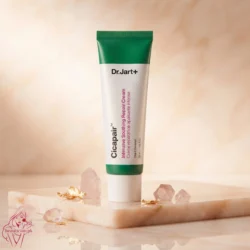
Dr. Jart Ceramidin Cream
Cream
Dry, tight skin
Texture, richness
COSRX Balancium Comfort Ceramide Cream
Cream
Dry to normal skin
Ingredient list
Illiyoon Ceramide Ato Concentrate Cream
Cream (large tub)
Face and body dryness
Fragrance, size
Anua 3 Ceramide Panthenol Barrier Cream
Cream
Sensitive, stressed skin
Ingredient list
Etude Soon Jung Hydro Barrier Cream
Cream
Sensitive to combination skin
Texture on your skin
Anua 7 Rice Ceramide Serum
Serum
Dehydrated skin, lighter layers
Layer under a cream
Fully Rice Ceramide Essence Toner
Toner
Hydration layering
Alcohol-free, patch test
In short, creams do the sealing, and serums and toners add a lighter barrier layer underneath. Match the format to your skin’s needs, not just the brand name.
🔍 How to Check Ceramide Ingredients on a Label
A product name isn’t an ingredient list. Here is how to check quickly.
What to Look For
Scan the ingredient list for names such as ceramide NP, ceramide AP or ceramide EOP. Higher placement in the list generally means a larger amount, though ceramides are effective at low concentrations. Also look for supporting ingredients like glycerin, hyaluronic acid, panthenol, squalane, cholesterol and fatty acids. These work as a team.
What to Watch Out For
If you have sensitive skin, check for added fragrance or essential oils, since those are common irritants. Some products labelled “barrier” contain very little actual ceramide. Treat marketing names as a hint, not a guarantee. When in doubt, compare the product page of two similar creams side by side.
💧 Can Oily Skin Use a Ceramide Moisturizer?
Yes, and many people with oily skin benefit. Oily skin can still be dehydrated and barrier-damaged, especially if you over-cleanse or use strong acne treatments.
Do Ceramides Clog Pores?
Ceramides themselves are skin-identical lipids and are not typically considered pore-clogging. But the overall formula matters. A heavy cream with rich oils may feel too much for oily skin, regardless of ceramides. Choose a lighter lotion or gel-cream texture and look for the word non-comedogenic on the product page if breakouts are a concern. Our oily and acne-prone skin collection can help you narrow options. And if your skin breaks out after starting something new, our guide on why skin breaks out after starting Korean skincare explains what might be happening.
📅 How to Use Ceramide Cream in Your Routine
Ceramides are easy to fit in, but order matters.
The Simple Order
Cleanse gently, apply a hydrating toner, add a serum if you use one, then seal with your ceramide cream. In the morning, finish with sunscreen. At night, use a slightly more generous layer. Apply products on slightly damp skin for better comfort. If you need a full morning plan for dry skin, see our Korean morning routine for dry skin.
Ceramide Serum vs. Ceramide Cream
A serum is lighter and sits under your moisturizer. A cream is richer and seals everything in. For dry skin, using both is a good combination. For oily skin, a serum plus a light lotion may be enough. If your skin is very dry, do not rely on a serum alone, because it does not seal moisture the way a cream does.
Can You Use Ceramides With Niacinamide and Retinol?
Generally yes. Ceramides are considered a supportive ingredient and are often used alongside niacinamide and retinol to help skin tolerate them. Introduce one new product at a time and watch for irritation. To learn more about niacinamide, read our guide to niacinamide benefits for Pakistani skin.
⏳ How Long Do Ceramides Take to Work?
Comfort can improve within a few days, as dryness and tightness ease. A more settled barrier often takes four to six weeks of consistent use, sometimes longer. Results vary with climate, cleansing habits and your use of active ingredients.
How to Repair a Damaged Skin Barrier
Ceramide cream is only one part of the picture. Pause harsh scrubs and strong acids, wash with lukewarm water, use a gentle cleanser, layer hydration, seal with a barrier cream and wear sunscreen daily. Our post on why sunscreen matters every day in Pakistan explains the last part, and the sunscreen collection has options. If you also deal with redness, browse the redness relief collection.
If your skin is cracked, weeping or very itchy, or you suspect eczema, see a dermatologist. Our guide on Korean skincare for eczema-prone skin offers gentle ideas but does not replace medical advice.
🇰🇷 Are Korean Ceramide Creams Worth It?
For many people, yes. Korean brands focus heavily on barrier health, and the textures tend to feel elegant and lightweight compared with some traditional heavy creams. They also often come in pump bottles or tubes, which are more hygienic than open jars.
That said, “Korean” does not automatically mean “better for you.” The best ceramide cream is the one your skin tolerates, that you will use daily and that fits your budget. A simple formula you use consistently beats a premium jar sitting unused.
🛡️ How to Buy Original Ceramide Skincare in Pakistan
Barrier-compromised skin is less forgiving, so authenticity matters. A counterfeit or poorly stored cream can sting, break you out or simply not work.
Ceramides are natural lipids in your skin that help hold the barrier together and keep moisture in. Skincare products add them to support that barrier.
Which ceramide cream is best in Pakistan?
It depends on your skin. Aestura, Dr. Jart, COSRX, Illiyoon, Anua and Etude all offer options. Compare ingredient lists, texture and fragrance, and patch test first.
Can oily skin use ceramide moisturizer?
Yes. Choose a lighter lotion or gel-cream and look for non-comedogenic formulas, especially if you break out easily.
Do ceramides clog pores?
Ceramides themselves are not typically pore-clogging, but a heavy overall formula can be. Check the full ingredient list.
Is ceramide cream good for sensitive skin?
Often yes, because barrier support can make skin feel calmer. Choose fragrance-free formulas where possible and patch test.
How long do ceramides take to work?
You may feel more comfortable in days, while a more settled barrier usually takes four to six weeks. Results vary.
Can I use ceramides with niacinamide and retinol?
Generally yes. Ceramides can help skin tolerate actives. Introduce new products one at a time.
How do I buy original ceramide skincare in Pakistan?
Buy from trusted sellers with sealed packaging and batch codes, avoid suspiciously low prices and read a guide on spotting fakes.
💖 Final Thoughts: Strengthen the Barrier First
The best ceramide skincare products in Pakistan are not the most expensive ones. They are the ones that match your skin type, avoid your personal irritants and fit a routine you can keep. Start with one gentle cleanser, one ceramide moisturizer and daily sunscreen. Add other products slowly, and give your skin several weeks to respond.
Ready to build your barrier? Browse the moisturizers collection, compare two or three creams from the shortlist above, and choose the one that suits your skin.
Disclaimer: This article is for educational purposes and is not medical advice. If you have persistent redness, itching, cracked skin or a suspected condition such as eczema or dermatitis, consult a qualified dermatologist before starting new products.