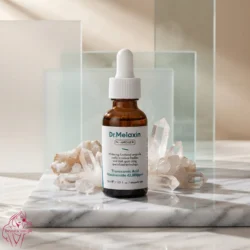
Hyaluronic Acid vs Glycerin: Which Is the Best Humectant for Your Skin? (2026 Guide)
Open any moisturizer, toner or serum in your routine and flip it around. There is a very good chance you will find both ingredients on the label. The hyaluronic acid vs glycerin debate is one of the most common questions in skincare, because both are famous for hydrating the skin, yet one costs a fraction of the other and they feel completely different on your face.
So which one deserves a place in your routine? The honest answer is that it depends on your skin type, your weather and the rest of your products. In this guide, we explain how each humectant works, where each one shines, what the research and real-life use say, and how to pick the right products in Pakistan, whether you live in humid Karachi or dry, air-conditioned Lahore. By the end, you will know exactly which humectant suits you, and why you may not need to choose at all.
🔬 What Is a Humectant and How Does It Work?
A humectant is an ingredient that attracts water and helps your skin hold on to it. Think of it as a tiny sponge. It draws water from the air and from the deeper layers of your skin and keeps it in the upper layers, where it makes your skin feel soft, smooth and plump.
Skincare hydration usually comes from three types of ingredients working together:
Humectants attract water (hyaluronic acid, glycerin, panthenol).
Emollients soften and smooth the skin (squalane, ceramides, fatty alcohols).
Occlusives seal moisture in and reduce transepidermal water loss, also called TEWL (petrolatum, shea butter, dimethicone).
Here is the part many people miss. A humectant on its own is only half the job. If you apply one and leave it without a moisturizer on top, the water can evaporate again, especially in dry weather. That is why a good hydration routine layers all three. If you want to see how this fits into a full plan, our Korean skincare routine for Pakistan shows the correct order of steps.
🧪 What Is Hyaluronic Acid?
Hyaluronic acid (HA) is a molecule your body already makes. It is found in skin, joints and eyes, and it can hold an impressive amount of water compared to its weight. In skincare, you will usually see it listed as sodium hyaluronate, which is the salt form and is smaller and easier to formulate.
What makes HA interesting is molecular size. High molecular weight HA stays on the surface and forms a light, silky, water-holding film. Low molecular weight HA is smaller and can sit in the upper layers of the skin, so it feels more deeply hydrating. Many modern formulas combine several sizes, which is why you see phrases like “multi-molecular” or “low molecular hyaluronic acid” on the label. If you are curious about that approach, the Isntree Ultra-Low Molecular Hyaluronic Acid Serum is a good example.
✨ Hyaluronic Acid Skincare Benefits
HA is loved because it hydrates without feeling oily or heavy. It helps skin look plumper, softens the look of fine lines and dryness, and gives that dewy skin finish people chase in K-beauty hydration routines. It is also gentle, so most skin types tolerate it well.
🍯 What Is Glycerin?
Glycerin, also called glycerol, is one of the oldest and most studied moisturizing ingredients in skincare. It occurs naturally in the skin and is usually made from plant oils, which is why you will often see vegetable glycerin on ingredient lists. It is small, cheap, stable and very effective at pulling water into the skin.
Because it is so reliable, glycerin appears in thousands of products, from basic lotions to high-end creams. You do not see it advertised as much as HA, but a lot of what makes a moisturizer feel good depends on it.
🌿 Glycerin Skincare Benefits
Glycerin hydrates well, helps support the skin barrier, improves the feel of rough or flaky skin and works nicely with other ingredients. It is generally considered non-comedogenic, so it does not clog pores on its own. At very high concentrations, it can feel tacky or sticky, which is why formulators balance it carefully.
⚖️ Difference Between Hyaluronic Acid and Glycerin
Now let us put the two side by side. This is the core of the difference between hyaluronic acid and glycerin.
Feature
Hyaluronic Acid
Glycerin
Type
Humectant
Humectant
Texture
Light, silky, watery gel
Slightly sticky, slippery liquid
Molecule size
Large to very small, depending on type
Very small
Hydration feel
Plump, bouncy, dewy
Soft, smooth, comfortable
Cost
Usually higher
Usually much lower
Best for
Dehydrated, dull, aging skin
All skin types, very dry or rough skin
Common in
Serums, essences, toners, gel creams
Almost every moisturizer, cleanser and toner
Main limit
Needs a moisturizer on top
Can feel tacky in high amounts
The takeaway is simple. Neither one is “better” in every situation. Hyaluronic acid is the more elegant, premium-feeling option for plumpness and glow. Glycerin is the dependable workhorse that quietly does a great job at a low price.
🏆 Hyaluronic Acid or Glycerin: Which Is Better?
If you want a direct answer, here it is. For lightweight plumping and a dewy finish, many people prefer hyaluronic acid. For everyday, budget-friendly, barrier-friendly hydration, glycerin holds its own and sometimes beats HA in how well it performs for dry skin. In reality, is hyaluronic acid better than glycerin? Not necessarily. Studies and formulators have long used glycerin as a benchmark moisturizing ingredient, and it is hard to beat for the price.
The better question is not which one wins, but which one suits your skin and your climate. Let us look at that next.
🎯 Which Humectant Is Best for Your Skin Type?
🌸 Glycerin vs Hyaluronic Acid for Dry Skin
Dry skin lacks both water and oil, so it needs humectants plus something to seal them in. Glycerin is excellent here because it is a proven moisturizer and works well inside rich creams. Hyaluronic acid helps too, but only if you follow it with a cream. If you only apply HA serum and skip moisturizer in a dry room, your skin can feel even tighter afterwards.
Oily skin can still be dehydrated, which is why it feels greasy and tight at the same time. This is where hyaluronic acid usually feels nicer, because it gives water-based hydration without any greasy residue. Glycerin works too, and is a common ingredient in oil-free gel moisturizers, but some people with oily skin dislike a tacky feeling.
🔥 Is Glycerin Safe for Acne-Prone Skin? Does Glycerin Clog Pores?
For most people, no. Glycerin is generally considered non-comedogenic and is not a common acne trigger. Breakouts usually come from a heavy formula as a whole, not from glycerin itself. Hyaluronic acid is also acne-friendly. If you are breakout-prone, choose a lightweight gel and patch test first. Our post on why your skin may break out after starting Korean skincare explains what to look out for.
🍃 Glycerin vs Hyaluronic Acid for Sensitive Skin
Both are usually well tolerated, which is why you see them in products for reactive skin. The difference often comes down to the rest of the formula, since fragrance and alcohol cause more trouble than either humectant. If your skin is easily irritated, choose simple, fragrance-free formulas and read our guide on Korean skincare for eczema-prone skin. If a rash or redness is persistent, please see a dermatologist.
🌦️ Does Weather Matter? Humid Summer vs Dry Winter in Pakistan
This is where humectants get interesting, and it is a question many readers ask: does hyaluronic acid make skin drier in dry weather?
Humectants pull water from wherever they can find it. In humid weather, there is plenty of water in the air, so they have easy access to it and your skin feels bouncy and fresh. In very dry, cold air, such as winter in Lahore or Islamabad, or in a heavily air-conditioned room, there is less moisture to draw from. The humectant may then pull water from the deeper layers of your skin instead, which can leave skin feeling dry if you do not seal it in.
The fix is easy. In dry weather, apply your humectant on damp skin and always follow with a moisturizer. In humid summers like Karachi, you can go lighter with a serum and gel cream. If you are choosing sun protection for the summer months, our guide to Korean sunscreens in Pakistan and our post on why you should wear sunscreen every day will help you finish the routine.
🤝 Can You Use Hyaluronic Acid and Glycerin Together?
Absolutely, and in most cases you already do. Many serums, toners and moisturizers combine HA and glycerin, because they hydrate in slightly different ways. HA gives surface plumpness and glow, while glycerin provides steady, reliable moisture. Together they work better than either alone.
You can safely use both every day. There is no need to avoid mixing them, and no “limit” to worry about with normal product use. Just keep layers thin and finish with a moisturizer.
🧴 How to Apply Hyaluronic Acid on Damp Skin (Step by Step)
Technique matters more than most people think. Here is a simple method you can start tonight:
Cleanse your face and leave the skin slightly damp.
Apply a hydrating toner, and press it in rather than rubbing (see our guide on using toner correctly).
Apply your hyaluronic acid serum or essence while skin is still damp.
Seal everything in with a moisturizer.
In the morning, finish with sunscreen.
Skipping the damp-skin step and the moisturizer are the two most common mistakes. Doing them right makes a visible difference within a week or two.
🛍️ Best Hyaluronic Acid Products Available in Pakistan
If you want to try HA, here are some well-liked options you can browse. We have grouped them by type so it is easy to choose.
Glycerin wins on price, no contest. It is inexpensive to produce, which is why it shows up even in budget moisturizers. Hyaluronic acid, especially in multi-molecular or low molecular forms, costs more to formulate, so HA serums are usually priced higher.
The good news is that you do not need to spend a lot. A glycerin-based moisturizer plus one affordable HA serum or essence is a very effective, sensible combination. Check the current prices on each product page, since they change from time to time.
🔍 How to Check Original Hyaluronic Acid Products in Pakistan
Because HA is trendy, copies are common. Before buying, check the packaging quality, batch number, printed expiry date and spelling on the box. Compare the price to the usual range, and be careful if it looks far too low. Buy from a store that shows clear product details and delivers across the country.
A humectant is an ingredient that attracts water and helps skin hold it. Hyaluronic acid, glycerin and panthenol are common examples. They work best when sealed in with a moisturizer.
Is hyaluronic acid better than glycerin?
Neither is better in every case. Hyaluronic acid feels lighter and gives a plump, dewy finish, while glycerin is a proven, affordable moisturizer that suits almost every skin type.
Can I use hyaluronic acid and glycerin together?
Yes. Many products already combine them, and they work well together. You can use both every day, followed by a moisturizer.
Does glycerin clog pores?
Glycerin is generally considered non-comedogenic and does not clog pores for most people. If you are acne-prone, choose lightweight formulas and patch test first.
Does hyaluronic acid make skin drier in dry weather?
It can if you skip moisturizer. In very dry air, humectants may pull water from deeper skin layers, so apply HA on damp skin and always seal it in with a cream.
Which is better for humid weather in Pakistan?
Hyaluronic acid in a light serum or gel cream feels great in humid summers, while glycerin-rich creams are better for dry winters. Using both across seasons works best.
🌸 Conclusion
The hyaluronic acid vs glycerin question does not have a single winner, and that is actually good news. Hyaluronic acid brings plumpness, glow and a light, elegant feel. Glycerin brings affordable, dependable moisture that suits almost everyone. Used together, with a good moisturizer on top, they give you hydrated, bouncy, comfortable skin in any weather.
If you are just starting, pick one HA essence or serum, make sure your moisturizer contains glycerin or ceramides, apply on damp skin, and give it two to four weeks. Your skin will tell you if it is happy.