How to Use Vitamin C Serum Correctly: 12 Dos and Don’ts for Glowing Skin in Pakistan (2026)
✨ Introduction
Knowing how to use vitamin C serum correctly is the difference between glowing, even-toned skin and a stinging, irritated face that makes you want to quit skincare forever. Vitamin C is one of the most researched brightening ingredients out there, yet it is also one of the most misused. People layer it with the wrong products, skip sunscreen, store it in a hot bathroom and then wonder why nothing happens.
Here in Pakistan, strong sun, pollution and humidity make dull skin and uneven skin tone extremely common, which is why vitamin C is so popular. But the same climate also makes mistakes costlier. A serum left in a hot room can oxidize quickly, and a strong formula applied under harsh sun without SPF can leave you worse off than before.
In this guide, I will walk you through what vitamin C actually does, the exact steps to apply it, a clear list of dos and don’ts, which ingredients to pair or avoid, and how to choose a good Korean option. Let us make your serum finally work for you. 💛
🍋 What Does Vitamin C Serum Actually Do?
Vitamin C, often listed as L-ascorbic acid or a gentler form like ascorbyl glucoside, is a powerful antioxidant. It helps neutralise free radical damage from sun and pollution, supports collagen production, and helps fade hyperpigmentation and dark spots by interfering with excess pigment formation. Used consistently, it can make skin look brighter, smoother and more even.
It is not an overnight fix, though. Most people need around four to twelve weeks of regular use to notice a visible change, and results depend on your formula, your skin and how well you protect it from the sun. If dark marks are your main concern, you will also like my guide on how to get rid of dark spots in Pakistan with Korean solutions.
🧪 Know Your Vitamin C Before You Use It
Not all vitamin C serums behave the same way, and understanding the type you own changes how you should use it.
L-ascorbic acid is the most studied form. It is potent but unstable, usually works best at a low pH, and can sting on sensitive skin. Derivatives such as ascorbyl glucoside are gentler and more stable, which makes them a smart choice for beginners and for vitamin C serum for sensitive skin. Many Korean formulas also blend vitamin C with soothing or brightening partners, such as niacinamide, centella or glutathione and tranexamic acid, to improve comfort and results.
Also check the vitamin C concentration. Higher is not always better. A beginner often does better with a lower, well-formulated serum than with a very strong one that irritates the skin barrier.
📋 How to Use Vitamin C Serum Correctly: Step by Step
Here is the routine I recommend to almost every beginner.
Step 1: Do a patch test. Apply a small amount behind your ear or along your jawline for two to three days. If you see persistent redness, itching or burning, do not use it on your face.
Step 2: Cleanse. Start with a gentle cleanser on clean skin. If you wear sunscreen or makeup, double cleansing first helps your serum absorb properly.
Step 3: Tone (optional). A hydrating, alcohol-free toner prepares skin nicely. See how to use a toner correctly for the right technique.
Step 4: Apply the serum. Use two to four drops, which is about a pea-sized amount for most serums. Press it gently into your face and neck, avoiding the immediate eye area.
Step 5: Moisturize. Lock everything in with a lightweight moisturizer.
Begin with two or three times a week, then move to daily use once your skin is comfortable. Rushing is the number one reason people experience skin irritation and stinging.
2. Do Apply It on Clean, Slightly Damp Skin
Slightly damp skin helps absorption and often makes the serum feel more comfortable. Just avoid applying it to dripping wet skin, which can dilute the product and increase tingling.
3. Do Use It in the Morning for Daytime Protection
So, should you use vitamin C serum in the morning or at night? For most people, morning is the better choice. Vitamin C works as an antioxidant shield against pollution and sun-related damage, and it pairs naturally with sunscreen. Night use is possible and can be useful if your skin tolerates it, but if you only choose one time, choose morning. For a complete AM plan, see my Korean morning skincare routine for oily skin.
4. Do Layer It Before Moisturizer
Apply your serum after cleansing and toning, and before your moisturizer and sunscreen. A good rule is to go from thinnest to thickest texture. That answers the common question of vitamin C serum before or after moisturizer: before.
5. Do Wear Sunscreen Every Single Day
Vitamin C and sunscreen are a brilliant team, but the sunscreen does the heavy lifting. Without SPF, new pigmentation can keep forming and cancel out your progress.
6. Do Store It Properly
Keep your serum in a cool, dark place, ideally in an air-tight dropper bottle or tube. In Pakistan’s hot weather, many people keep their serum in the fridge during summer. Always close the cap firmly after use.
❌ The Don’ts of Using Vitamin C Serum
1. Don’t Use It If It Has Oxidized
How do you know if your vitamin C serum has oxidized? Fresh serums are usually clear, pale yellow or light in colour. When oxidized vitamin C turns deep orange or brown, or smells unusual, it has lost much of its power and may irritate your skin. Replace it.
2. Don’t Mix It with Strong Acids on the Same Night
Combining vitamin C with AHA and BHA exfoliants can overload your skin barrier, especially if you are new to actives. Alternate nights, or use acids in the evening and vitamin C in the morning.
3. Don’t Layer It with Retinol at the Same Time
Both are active and potent. Using them together often causes dryness and redness. A simple solution is vitamin C in the morning and retinol at night. If you are exploring retinol, read about Korean retinol options separately and introduce them slowly.
5. Don’t Skip Moisturizer
Even oily skin needs hydration, particularly when using actives. A hyaluronic acid serum or gel moisturizer helps keep your barrier healthy.
6. Don’t Apply It on Broken or Peeling Skin
If your skin is sunburnt, peeling or has open pimples, pause your vitamin C until it heals.
7. Don’t Expect Overnight Results
Consistency matters more than quantity. Using more product or more often will not speed things up. It will usually just irritate you.
📊 Quick Dos and Don’ts Cheat Sheet
✅ Do
❌ Don’t
Patch test first
Skip the patch test
Use in the morning with SPF
Skip sunscreen
Apply before moisturizer
Apply after heavy creams
Store in a cool, dark place
Leave it in a hot bathroom or car
Start 2 to 3 times a week
Use it twice daily from day one
Alternate with retinol and acids
Stack all actives together
Replace oxidized serum
Use dark orange or brown serum
🔄 What Can You Mix with Vitamin C? (And What to Avoid)
This is one of the most searched questions, so here is a clear breakdown.
Can I use vitamin C serum with niacinamide? Yes, in most cases. Modern formulas are well tolerated together, and the combination can help with brightening and uneven tone. If your skin is sensitive, use them at different times of day. My detailed guide on niacinamide vs vitamin C and which to use first explains this in depth, and you can learn more about what niacinamide does for Pakistani skin.
Can I use vitamin C serum with hyaluronic acid? Absolutely. Hyaluronic acid adds moisture and helps offset any tightness.
Can I use vitamin C serum with retinol? Better apart. Use vitamin C in the morning and retinol at night.
Can I use vitamin C serum with AHA BHA? Use caution. Separate them by time of day or by days of the week, especially if your skin is sensitive.
Pairing
Verdict
Vitamin C + Sunscreen
✅ Essential
Vitamin C + Hyaluronic acid
✅ Great
Vitamin C + Niacinamide
✅ Usually fine, go slow
Vitamin C + Retinol
⚠️ Use at different times
Vitamin C + AHA/BHA
⚠️ Alternate nights
🧴 How Often and How Much Should You Use?
Can you use vitamin C serum every day? Yes, if your skin tolerates it. Many people use it daily in the morning once their skin has adjusted. As for quantity, two to four drops are plenty for the whole face. More product does not equal better results, and it can increase the chance of irritation.
How long does vitamin C serum take to work? You may notice a fresher glow within a few weeks, while dark spots usually need around eight to twelve weeks of consistent use plus daily sunscreen.
🔥 Why Does Vitamin C Serum Tingle, Burn or Cause Breakouts?
A very mild tingle can be normal with L-ascorbic acid, but real burning, redness or swelling is not. Common causes include too high a concentration, a damaged skin barrier, applying on wet skin, or mixing with other strong actives.
Oily and acne-prone skin: Choose a lightweight, gel-like or watery serum, and avoid heavy, oily textures. Vitamin C can help with post-acne marks, but check that the product is non-comedogenic. Read the best Korean products for oily skin in Pakistan for complementary products.
Sensitive skin: Pick a gentle derivative with a lower concentration, and combine with calming ingredients. Always patch test.
Dry skin: Layer it under a rich moisturizer, and add a hydrating serum.
🇰🇷 Best Korean Vitamin C Serums to Try in Pakistan
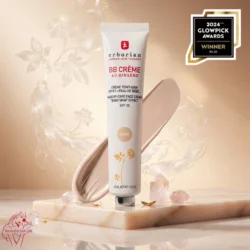
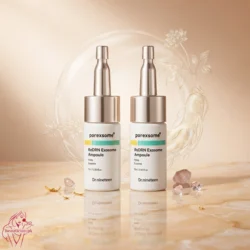
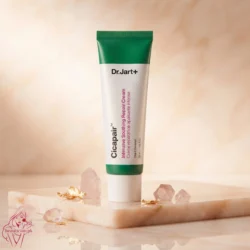
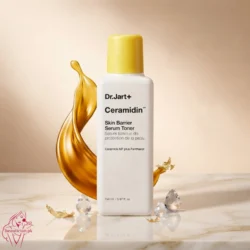
Korean brands are famous for elegant textures and gentle formulations, which suits our climate. Here are some options available at Beautician.pk, chosen for different needs. Always check the ingredient list and patch test first.
Prices and stock change often, so please check each product page for the latest PKR price.
🌡️ How to Store Vitamin C Serum in Pakistan’s Hot Weather
Heat, light and air are vitamin C’s three enemies. During summer, avoid keeping your serum on a sunny windowsill or in a humid bathroom. A drawer, a cupboard or even the fridge works much better. Choose products in dark, air-tight dropper bottles or pump tubes, and close the lid right after each use. If the serum darkens quickly or smells off, it is time to replace it.
Introduce only one new active at a time, and give it two weeks before adding another. If your skin feels tight, red or stingy, pause actives and focus on barrier repair with a soothing moisturizer. For ingredient guidance, read dermatologist-recommended Korean skincare ingredients.
This article is for general education. If you have persistent pigmentation, severe acne or a skin condition, please consult a dermatologist.
❓ Frequently Asked Questions
How do I use vitamin C serum for the first time?
Patch test first, then apply two to three drops to clean skin in the morning, two or three times a week. Follow with moisturizer and sunscreen, and increase to daily use if your skin tolerates it.
Should I apply vitamin C serum in the morning or at night?
Morning is generally best because vitamin C protects against sun and pollution damage when paired with sunscreen. Night use is possible if your skin tolerates it.
Do I apply vitamin C serum before or after moisturizer?
Before. Apply serum after cleansing and toning, then follow with moisturizer and, in the morning, sunscreen.
Can I use vitamin C serum with niacinamide?
Yes, most modern formulas work well together. If your skin is sensitive, use them at different times of day.
Can I use vitamin C serum in summer in Pakistan?
Yes, as long as you wear sunscreen, store the serum in a cool place and choose a lightweight formula.
How do I know if my vitamin C serum has oxidized?
If it turns dark orange or brown, or smells unusual, it has likely oxidized and should be replaced.
🌟 Conclusion
Learning how to use vitamin C serum correctly is really about a few simple habits: patch test, start slowly, apply it in the morning before moisturizer, always wear sunscreen, store it cool and dark, and avoid piling on too many actives at once. Do this consistently and vitamin C can help brighten dullness, soften dark spots and give your skin a healthier glow. ✨