Using retinol and AHA together is one of the most searched — and most misunderstood — questions in modern skincare. Both ingredients are considered gold-standard actives: retinol for cell renewal and anti-aging, and AHA (alpha hydroxy acid) for exfoliation and brightening. Naturally, many skincare lovers want to combine them to fast-track glowing, youthful skin. But here’s the catch — mixing two powerful actives without understanding how they interact can backfire quickly, leading to redness, peeling, and a compromised skin barrier.
The good news is that yes, you can use retinol and AHA together, but it has to be done strategically rather than impulsively. Below, we’ll walk you through exactly how these ingredients work, why timing matters so much, and how to build a routine that lets you enjoy the benefits of both without the downsides. Whether you’re new to actives or already following a structured Korean skincare routine in Pakistan, this guide will help you make smarter, safer choices for your skin.
🧪 What Exactly Are Retinol and AHA?
Before deciding whether to mix these two ingredients, it helps to understand what each one actually does on a cellular level. Retinol and AHA belong to completely different categories of active ingredients, yet both are often lumped together under the umbrella of “exfoliating anti-aging actives.” That overlap in reputation is exactly why so many people assume they can be swapped in or layered freely — when in reality, their mechanisms are quite different.
Understanding Retinol: The Cell-Renewal Powerhouse
Retinol is a derivative of Vitamin A that works by speeding up skin cell turnover and stimulating collagen production. It’s widely recommended for reducing fine lines and wrinkles, improving skin texture, and fading dark spots over time. Because retinol works at a deeper cellular level, it often causes an initial adjustment phase — commonly known as retinol purging — where the skin may breakout or flake before it improves. If you’ve experienced this yourself, our detailed guide on why your skin might be purging during a Korean skincare routine explains exactly what’s happening underneath the surface.
AHA, short for alpha hydroxy acid, includes ingredients like glycolic acid and lactic acid. Unlike retinol, which works beneath the skin’s surface, chemical exfoliants like AHA work on the surface layer, dissolving the bonds between dead skin cells to reveal smoother, brighter skin instantly. AHA is excellent for improving dullness, smoothing rough texture, and gently fading superficial pigmentation.
⚠️ Can You Use Retinol and AHA Together? The Honest Answer
So, can you combine retinol and AHA in the same routine? Technically, yes — but not in the way most people assume. Using both actives in the exact same step, at the exact same time, on the same night is where things usually go wrong. Both ingredients independently increase skin sensitivity and disrupt the outer layer of your skin to do their job. When layered together without caution, this double impact can overwhelm your skin barrier, leading to redness, stinging, flaking, and in more severe cases, over-exfoliation.
That said, dermatologists and skincare experts widely agree that retinol and AHA together can absolutely coexist in a weekly routine — just not simultaneously, and not every single night. The key lies in spacing them out intelligently so your skin gets the benefits of both without the compounding irritation. This is precisely why so many experienced skincare users ask not if they can combine the two, but how to do it the right way.
🔥 What Happens When You Mix Retinol and AHA Incorrectly
Understanding the risks helps explain why timing and technique matter so much here. When retinol and AHA are applied together carelessly — especially at full strength, every night — the skin’s protective barrier can become compromised faster than it can repair itself. This typically shows up as persistent redness, a tight or burning sensation, visible flaking, and heightened reactivity to products that previously caused no issues at all.
There’s also the issue of sun sensitivity. Both retinol and AHA make your skin significantly more vulnerable to UV damage, so skipping SPF protection while using these actives is one of the fastest ways to undo all your skincare progress. If you’re not already treating sunscreen as a non-negotiable step, our article on why wearing sunscreen in Pakistan every single day matters is worth reading before you even think about layering actives.
Beyond irritation, over-exfoliation can also trigger a cycle where the skin produces excess oil to compensate for barrier damage, paradoxically making acne-prone skin worse rather than better. This is why dermatologists almost universally recommend a gradual, structured approach rather than diving in with both actives at full strength from day one.
🌙 How to Use Retinol and AHA Together Safely (Step-by-Step)
The safest and most dermatologist-approved way to enjoy both retinol and AHA is through strategic spacing rather than simultaneous layering. There are a few proven methods that skincare professionals consistently recommend, and understanding each one will help you choose what fits your skin type and tolerance level best.
The Alternate Night Method
This is the most popular and beginner-friendly approach. Instead of using both actives on the same night, you alternate — for example, AHA on Monday, Wednesday, and Friday, and retinol on Tuesday, Thursday, and Saturday, leaving one day completely active-free for recovery. This alternate night routine gives your skin barrier enough time to repair between treatments while still allowing you to benefit from both ingredients weekly.
The Buffering Technique
If you’re more experienced and want to use both actives closer together, the buffering technique involves applying a hydrating layer — such as a moisturizer or hyaluronic acid serum — between your AHA and retinol steps, or applying retinol over a slightly damp, moisturized base rather than bare skin. This buffer reduces direct intensity without eliminating the benefits of either ingredient. Pairing this with something like the COSRX Hyaluronic Acid Hydra Power Essence can meaningfully cushion the skin against irritation.
Building Tolerance Slowly
Regardless of which method you choose, your skin needs time to adjust. Start with just one active two to three times a week, monitor how your skin responds over a two-to-three-week period, and only then consider introducing the second active at a low frequency. Rushing this process is the single biggest reason people experience skin irritation when trying to combine these ingredients.
🕐 Best Routine Order: Morning vs Night
Since both retinol and AHA increase photosensitivity, neither should ever be used in a daytime routine. Your mornings should instead focus on hydration, antioxidant protection, and sunscreen, while your evenings are reserved for active treatment steps. Here’s a simple breakdown of how a balanced day might look when you’re incorporating both ingredients into your weekly nighttime skincare routine.
Cleanser → Soothing serum → Rich moisturizer (no actives)
This kind of structured rotation ensures your skin never feels overworked, while still progressing toward your long-term skincare goals.
💧 What to Pair With Retinol and AHA for Best Results
The ingredients you combine alongside retinol and AHA matter just as much as the actives themselves. Soothing, barrier-supporting ingredients help offset the potential dryness and sensitivity these actives can cause, making your overall routine far more sustainable.
Niacinamide is one of the best companions here, known for calming inflammation while supporting the skin barrier — though it’s worth understanding how it compares to other actives, which our guide on niacinamide vs Vitamin C: which should go first covers in detail. Hyaluronic acid moisturizer is equally essential, replenishing moisture that exfoliating acids and retinol can temporarily strip away. And of course, a broad-spectrum sunscreen is completely non-negotiable every single morning without exception.
If you’re specifically targeting dullness or dark spots alongside your retinol and AHA routine, exploring our roundup of the best Korean serums for hyperpigmentation in Pakistan can help you choose complementary products that work with — not against — your existing actives.
🚫 Common Mistakes Pakistani Skincare Users Make
A lot of avoidable irritation happens simply because of a few repeated missteps. Many users apply both actives at full concentration right from the start instead of easing in gradually, which almost guarantees a reaction. Others skip sunscreen entirely, assuming it’s optional during cooler months — a mistake that can lead to worsened pigmentation rather than the improvement they were hoping for.
Another frequent issue is poor active ingredients layering — applying AHA directly before retinol without any buffer step in between, which intensifies penetration far beyond what the skin can comfortably handle. If you’re unsure about layering order in general, our breakdown on how to use a toner correctly — patting vs wiping is a great foundational read before introducing stronger actives like AHA and retinol into your routine.
🧴 Product Recommendations for Combining Retinol and AHA Safely
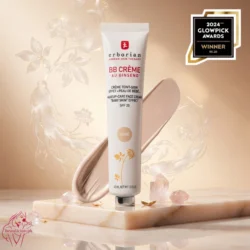
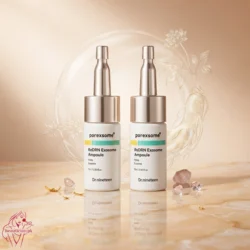
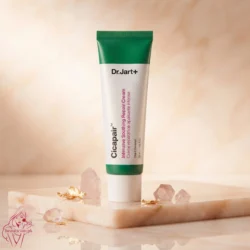
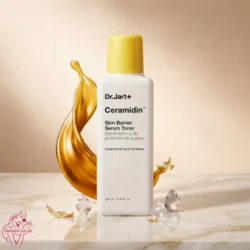
Choosing well-formulated, beginner-friendly products makes a measurable difference in how your skin tolerates this combination. Below are some trusted options available on Beautician.pk that are frequently recommended for building a safe retinol-AHA routine.
While most people can safely combine retinol and AHA using the methods above, certain signs mean it’s time to pause and seek professional advice. Persistent burning, visible cracking of the skin, swelling, or breakouts that worsen rather than improve after several weeks are all signals that your routine needs reassessment. Those with eczema, rosacea, or highly reactive skin should be especially cautious, and our guide on Korean skincare options safe for eczema-prone skin offers useful alternatives if actives like AHA and retinol prove too aggressive for your skin type. A dermatologist recommendation tailored to your specific skin history is always more reliable than generic advice found online — including this article.
✅ Final Verdict: Can You Combine Retinol and AHA?
Combining retinol and AHA together is entirely possible, and when done correctly, it can deliver some of the most noticeable improvements in texture, tone, and overall skin health that any skincare routine can offer. The key is patience — alternating nights, buffering with hydration, introducing actives slowly, and never skipping sunscreen. Skincare isn’t a race, and the people who see the best long-term results are almost always the ones who respected their skin’s pace rather than rushing the process.
If you’re just getting started with actives in general, our comprehensive Korean skincare routine guide for Pakistan is an excellent next step to build a foundation before introducing stronger ingredients like retinol and AHA.
📞 Ready to Build Your Safe Retinol-AHA Routine?
Explore our curated collection of dermatologist-recommended retinol and AHA products at Beautician.pk and start your journey toward smoother, brighter, healthier skin — the safe and sustainable way.
❓ Frequently Asked Questions
Can I use retinol and AHA together every day? No. Using both actives daily significantly increases the risk of irritation and barrier damage. Alternating nights or buffering with hydrating products is a much safer approach.
Should I apply AHA or retinol first in my routine? They should generally not be applied in the same session. If you choose to use them close together, apply AHA first, wait for the skin to fully absorb it, then follow with a hydrating buffer before retinol.
How often should I use retinol and AHA together safely? Most dermatologists recommend starting with 2-3 uses per week for each active, alternating nights, and adjusting frequency based on how your skin responds over several weeks.
What are the signs of over-exfoliation from mixing retinol and AHA? Common signs include persistent redness, tightness, stinging, visible flaking, and increased sensitivity to previously well-tolerated products.
Do I need sunscreen if I use retinol and AHA at night? Yes, absolutely. Both ingredients increase sun sensitivity for 24+ hours, making daily broad-spectrum SPF essential regardless of when you apply the actives.
Can beginners use retinol and AHA together? Beginners should introduce one active at a time, allow several weeks of adjustment, and only consider combining both once their skin has built tolerance to each individually.