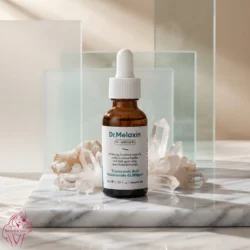
Exosome Skincare vs PDRN: Which Skin Rejuvenation Trend Actually Wins?
If you’ve spent even five minutes scrolling K-beauty TikTok lately, you’ve probably seen two words fighting for the “holy grail anti-aging ingredient” title: exosomes and PDRN. The debate around Exosome Skincare vs PDRN has become one of the hottest topics in modern dermatology and beauty circles — and for good reason. Both promise firmer, brighter, more youthful skin, but they work in completely different ways, come with different price tags, and suit different skin concerns.
So, is exosome skincare really better than PDRN, or is this just clever marketing dressed up in scientific jargon? Let’s break it down properly — no fluff, just facts, comparisons, and practical advice you can actually use.
🧬 What Is Exosome Skincare? (Quick 101)
Exosomes are tiny extracellular vesicles — think of them as microscopic messenger pods released by cells. In skincare, they’re usually derived from stem cells (plant-based or human-derived) and are loaded with growth factors, proteins, and genetic material that trigger cell communication skincare processes.
How Exosomes Work on Skin
Once applied (via serum, microneedling, or in-clinic treatment), exosomes essentially “talk” to your skin cells, signaling them to:
Boost collagen stimulation treatment naturally
Speed up skin regeneration therapy
Repair damaged skin barrier repair function
Calm inflammation and support skin healing biotechnology
This paracrine signaling effect is what makes exosome therapy for skin so exciting to dermatologists — it doesn’t just moisturize, it actively instructs skin cells to behave younger.
Exosome Skincare Benefits
Here’s what most exosome skincare benefits studies and clinical observations point to:
Improved skin texture and reduced fine lines
Faster post-procedure skin recovery (especially after microneedling or lasers)
Noticeable glow within a few sessions
Reduced redness and inflammatory response
Support for photoaging reversal
It’s no surprise this has become the K-beauty exosome trend everyone’s talking about — brands are racing to bottle this technology into serums and ampoules for home use, not just clinic treatments.
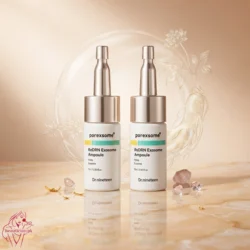
If you want to try this at home, the Medicube One Day Exosome Shot Pore Ampoule 2000 is one of the most talked-about exosome serums for face currently available — designed to mimic in-clinic exosome facial treatment benefits in a daily-use format.
💧 What Is PDRN Skincare Treatment?
PDRN stands for Polydeoxyribonucleotide — a nucleotide-based regeneration ingredient typically derived from salmon DNA skincare sources (yes, actual salmon sperm DNA, purified and fragmented for cosmetic use).
The Science Behind PDRN (Salmon DNA Skincare)
PDRN works by binding to adenosine A2A receptors in the skin, which triggers:
Increased hyaluronic acid synthesis
Enhanced dermal fibroblast activation
Faster micro-injury healing process
Better skin hydration level retention
Reduced inflammation, making it popular post-laser or post-microneedling
This is why PDRN injections for skin became a staple in Korean dermatology clinics long before it hit the mainstream skincare shelf as serums, toners, and creams.
Where PDRN Injections & Serums Are Used
PDRN skincare treatment in clinics (injectable, via mesotherapy or micro-needling)
At-home PDRN polynucleotide skincare products like serums, toners, and eye creams
Combination therapy approach alongside other bio-stimulators
If you’re curious about starting with PDRN at home, beautician.pk has an entire dedicated guide: PDRN Skincare in Pakistan — The Next Big Trend, which breaks down everything from ingredient sourcing to product recommendations.
⚖️ Exosome Skincare vs PDRN — Head-to-Head Comparison
Here’s where things get genuinely interesting. While both fall under anti-aging injectables and skin booster categories, their mechanisms, costs, and ideal use-cases differ significantly.
Factor
Exosome Skincare
PDRN Skincare
Source
Stem cell derived skincare (plant/human)
Salmon DNA skincare (nucleotides)
Mechanism
Cell signaling & growth factor delivery
Tissue repair via adenosine receptor activation
Best For
Deep regeneration, anti-aging, scarring
Hydration, barrier repair, healing
Onset of Results
Faster visible glow (2–4 sessions)
Gradual, cumulative improvement
Cost Per Session
Higher (premium bio-technology)
Moderate, more affordable long-term
Home-Use Options
Growing but still limited
Widely available (serums, toners, creams)
Regulatory Status
Still evolving; FDA approval status varies by product
More established in Korean dermatology
Downtime
Minimal to none
Minimal to none
Both technologies are considered non-surgical skin tightening and regeneration options — but exosomes lean more toward “deep repair,” while PDRN leans toward “steady hydration and healing.”
🎯 Which Is Better — Exosome or PDRN — For Your Skin Concern?
The honest answer to “which is better exosome or PDRN” genuinely depends on what you’re trying to fix. Here’s a simple breakdown:
Choose Exosome Therapy If You Want:
Significant anti-aging effect with visible firmness
Faster wound healing post-treatment (laser, microneedling with exosomes)
To target fine lines, dullness, and early signs of aging aggressively
A more advanced, tech-forward treatment (great alongside exosome vs stem cell therapy discussions)
Choose PDRN If You Want:
Deep, lasting skin hydration level improvement
Skin barrier function repair (especially for sensitive, compromised skin)
A gentler, more budget-friendly option for regular use
Support after harsh treatments (chemical peels, retinol purging, sun damage)
Or… Combine Both
Many Korean skincare experts now recommend a combination therapy approach — using PDRN serums daily for barrier support, while reserving exosome treatments for periodic intensive boosts (monthly or seasonal). Think of PDRN as your daily multivitamin and exosomes as your occasional deep-tissue treatment.
💰 Safety, Cost & Results Longevity
Exosome Dosage and Safety
Because exosome technology is newer, skin type compatibility and dosage standards are still being refined across brands. Always check:
Source transparency (plant vs synthetic vs human-derived)
Clinical trial results or lab-backed data from the brand
Dermatologist recommendation before combining with retinoids or acids
Cost Per Session Comparison
Exosome treatments/products tend to sit at a premium price point due to biotechnology extraction costs
PDRN products are more accessible for regular, sustained use — making them easier to fit into a post-treatment skincare routine
Longevity of Results
PDRN’s hydration and barrier benefits build up with treatment session frequency and consistency, while exosome results often appear faster but may need periodic “top-ups” for maintenance — similar to how skin firmness improvement treatments generally work.
🧴 How to Build a Routine Around Exosome or PDRN Skincare
You don’t need to overhaul your entire shelf overnight. Here’s a simple way to ease either ingredient into your Korean skincare routine:
Cleanse gently — avoid stripping cleansers that disrupt the skin barrier
Apply PDRN toner or essence — hydration + repair layer
Follow with exosome serum or PDRN serum (not both heavy actives same day if you’re a beginner)
Lock in with a barrier cream
Always finish AM routine with SPF — regeneration ingredients work best on protected skin
🏆 Final Verdict — Is Exosome Skincare Really Better Than PDRN?
Here’s the honest takeaway: neither is universally “better” — they simply solve different problems.
If your priority is deep anti-aging and regeneration, exosome skincare currently edges ahead in terms of technology and speed of visible results.
If your priority is hydration, healing, and daily barrier maintenance, PDRN remains the more practical, budget-friendly, and well-established choice.
For most people starting their journey into advanced Korean skincare, the smartest move is starting with PDRN skincare treatment as a daily-use foundation, then introducing exosome products or in-clinic sessions once your skin barrier is strong and stable.
✨ Ready to Try It Yourself?
Whether you’re leaning toward the regenerative power of exosomes or the steady healing of PDRN, the key is choosing authentic, dermatologist-backed products — not diluted dupes riding the trend wave.
1. Is exosome skincare better than PDRN for anti-aging? Exosome skincare tends to show faster, more intensive anti-aging results due to its growth-factor-driven cell signaling, while PDRN offers steady, long-term hydration and barrier repair. Many experts recommend combining both for optimal results.
2. Can I use PDRN and exosome products together? Yes, they can be layered — PDRN as a daily hydrating step and exosome serums as a periodic intensive treatment. Just introduce one at a time to monitor your skin’s response.
3. Which is more affordable — exosome or PDRN skincare? PDRN products are generally more affordable and widely available for home use, while exosome treatments (especially in-clinic) tend to carry a premium price due to advanced biotechnology.
4. Are exosome and PDRN skincare products safe for sensitive skin? Both are generally well-tolerated, but always patch-test first and choose products with transparent sourcing and dermatologist backing, especially if you have reactive or compromised skin.
5. How soon can I see results from PDRN or exosome skincare? PDRN typically shows gradual improvement over 4–8 weeks of consistent use, while exosome treatments can show visible glow and firmness within 2–4 sessions when done in-clinic.