Bio-Regenerative Skincare: The Future of Anti-Aging Is Already Here
For decades, anti-aging skincare meant one thing — masking the signs of aging with creams that sat on top of the skin, offering temporary smoothness without touching the real problem underneath. That era is quietly ending. Bio-regenerative skincare has emerged as the most significant shift in beauty science in the last twenty years, moving the conversation from “cover it up” to “repair it from the inside.” Instead of simply hydrating or exfoliating, this new category of skincare works at the cellular level, encouraging skin to heal, renew, and rebuild itself the way it did in your twenties. If you’ve been noticing terms like PDRN, exosomes, or growth factor serums popping up on Korean skincare shelves, you’re already witnessing this revolution unfold in real time.
What makes this shift so exciting is that it isn’t just marketing language. It’s backed by genuine advances in regenerative medicine for skin, cellular biology, and biotechnology that were previously reserved for clinical dermatology. Below, we’ll unpack exactly what bio-regenerative skincare means, how it works at a scientific level, which ingredients are leading this movement, and how you can realistically build a routine around it — whether you’re just getting curious or ready to upgrade your entire shelf.
🧬 What Is Bio-Regenerative Skincare, Exactly?
Bio-regenerative skincare refers to a category of advanced formulations designed to stimulate the skin’s own natural repair mechanisms rather than simply treating visible symptoms of aging. Where traditional anti-aging products often rely on surface-level hydration or temporary plumping agents, regenerative skincare technology works by activating fibroblasts, boosting collagen synthesis, repairing DNA damage, and restoring the skin’s natural barrier function from within.
This is a fundamentally different philosophy. Traditional creams ask, “How do we hide the wrinkle?” Regenerative formulas ask, “How do we help the skin behave like younger skin again?” That single shift in thinking is why ingredients such as PDRN (polydeoxyribonucleotide), exosomes, and peptide complexes have become the backbone of next-generation anti-aging innovation. Brands across the Korean beauty industry — a space long known for pioneering skincare science — have been among the fastest adopters, which is part of why so many of today’s most talked-about PDRN skincare in Pakistan launches are flying off digital shelves almost as soon as they arrive.
It’s also worth noting that bio-regenerative skincare isn’t a single ingredient or product — it’s an entire philosophy that spans cleansers, serums, ampoules, masks, and creams, all working toward the same biological goal: cellular renewal.
🔬 The Science Behind Skin Regeneration
To understand why this category works, it helps to look at what actually happens inside aging skin. As we get older, several biological processes slow down simultaneously, and understanding them explains exactly why regenerative skincare technology has become such a hot topic in dermatology circles.
Cellular Renewal and Fibroblast Activation
Fibroblasts are the cells responsible for producing collagen and elastin — the proteins that keep skin firm and bouncy. With age, fibroblast activity declines, which is why skin starts to sag and lose density. Many bio-regenerative formulas specifically target fibroblast activation, essentially “waking up” these dormant cells so they resume producing structural proteins at a healthier rate. This is the same biological pathway that collagen induction therapy aims to trigger, whether through topical actives or in-clinic treatments.
DNA Repair and Mitochondrial Skin Health
Every day, skin cells face oxidative stress from UV exposure, pollution, and normal metabolic processes, which gradually damages cellular DNA. Ingredients designed for DNA repair skincare work to support the skin’s natural repair enzymes, while formulas targeting mitochondrial skin health aim to improve the energy production inside cells — because tired, energy-depleted cells simply can’t repair themselves efficiently. There’s also growing interest in telomere skin aging research, since telomere shortening is directly linked to how quickly cells age and stop dividing properly.
The Skin Barrier Connection
None of this cellular repair matters if the skin barrier is compromised. That’s why skin barrier repair and skin microbiome balance have become inseparable from the regenerative skincare conversation — a damaged barrier lets irritants in and lets moisture out, undermining every other benefit a product is trying to deliver.
🧪 Key Technologies Powering Regenerative Medicine for Skin
Several biotech skincare products have moved from lab research into mainstream beauty routines, and each uses a slightly different mechanism to achieve regeneration. Understanding the differences helps you choose products that actually match your skin’s needs rather than chasing trends blindly.
PDRN, originally used in wound healing and derived from salmon DNA, has become one of the most popular actives for stimulating tissue repair and boosting hydration simultaneously — it’s a major reason Korean skincare labels have leaned so heavily into this space. Exosome skincare, meanwhile, uses nano-sized vesicles that carry growth factors and signaling molecules directly to skin cells, essentially “messaging” cells to behave more youthfully. If you’re trying to decide between the two, our detailed breakdown comparing exosome skincare vs PDRN walks through which one suits different skin concerns best.
Peptide therapy skincare and growth factor serums work similarly by delivering amino acid chains that trigger specific repair signals, while biomimetic skincare formulations are designed to closely resemble the skin’s own natural lipids and proteins, making them easier for skin to recognize and absorb. Nanotechnology skincare, plant stem cell extract, and hyaluronic acid regeneration technologies round out this toolkit, each contributing to firmer, better-hydrated, more resilient skin over time.
Here’s a quick snapshot comparing how these technologies differ in function:
Technology
Primary Function
Best For
PDRN (Salmon DNA)
Tissue repair, deep hydration
Dullness, dehydrated skin, fine lines
Exosomes
Cell signaling, growth factor delivery
Advanced aging, loss of elasticity
Peptide Complexes
Collagen stimulation
Wrinkles, sagging skin
Plant Stem Cells
Antioxidant defense, cell protection
Environmental damage, early aging
💧 Ingredients Leading the Next-Generation Anti-Aging Movement
Beyond the big biotech names, a handful of ingredients consistently show up across advanced biologic skincare ingredients lists, and it’s worth knowing what each one actually contributes to skin rejuvenation.
Niacinamide and antioxidants — strengthen antioxidant skin defense while improving tone and texture; our guide on niacinamide benefits explains why dermatologists recommend it so often.
Low-molecular hyaluronic acid — penetrates deeper layers for hyaluronic acid regeneration rather than sitting only on the surface.
Bakuchiol and gentle retinol alternatives — support epidermal renewal without the irritation associated with traditional retinoids.
Centella asiatica and panthenol — calm inflammation while reinforcing the skin barrier, which is essential groundwork before any regenerative ingredient can work effectively.
These ingredients are increasingly common across dermatologist-recommended ingredients lists, precisely because they bridge the gap between gentle, everyday skincare and clinical-grade wrinkle reduction technology.
🌱 Building a Practical Bio-Regenerative Skincare Routine
Theory is helpful, but most people want to know how this actually translates into a daily routine. In practice, bio-regenerative skincare slots in logically after your basic cleansing and hydration steps, working as a targeted treatment layer rather than a replacement for fundamentals.
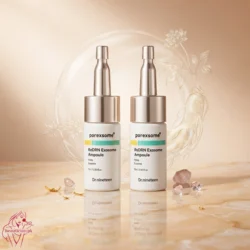
A realistic routine might start with a gentle cleanser to protect skin microbiome balance, followed by a PDRN-infused toner or essence to prep skin for deeper absorption. From there, a regenerative serum or ampoule — something like the Rejuran Healer Turnover Ampoule, which uses PDRN to support skin rejuvenation process at a cellular level — becomes the core treatment step. For those exploring newer peptide and NAD-based technology, the numbuzin NAD Bio-Lifting Essence is a good example of how next-generation anti-aging actives are being formulated for daily use rather than occasional clinic visits.
Evening routines often benefit from gentler retinol alternatives, such as the Dr.Jart Prejuvenation Firming Bakuchiol Serum, which supports skin elasticity restoration without the irritation that stronger actives can cause. If collagen-focused firming is a priority, incorporating something like the Medicube Triple Collagen Serum can round out the regenerative benefits nicely. For those building this routine from scratch, browsing the full Rejuran PDRN collection is a practical starting point, since it covers everything from toners to overnight masks within the same regenerative philosophy.
It’s worth remembering that sun protection remains non-negotiable here — no amount of cellular repair can outpace daily UV damage, which is why pairing this routine with one of the best Korean sunscreens available locally is essential rather than optional. For a broader structural overview of how all these steps fit together, our guide to a complete Korean skincare routine is a useful companion read.
📊 Traditional Anti-Aging vs Bio-Regenerative Skincare
Aspect
Traditional Anti-Aging
Bio-Regenerative Skincare
Approach
Surface-level hydration & masking
Cellular repair & regeneration
Key Actives
Basic moisturizers, silicones
PDRN, exosomes, peptides, growth factors
Results Timeline
Temporary, needs reapplication
Gradual, cumulative improvement
Skin Impact
Masks fine lines
Rebuilds collagen & elasticity
This comparison highlights why so many skincare enthusiasts are shifting their long-term investment toward regenerative formulas rather than quick-fix creams.
🚀 Why This Represents the Real Future of Anti-Aging
Looking ahead, the future of anti-aging is clearly moving away from one-size-fits-all creams and toward personalized, biology-driven treatments. As biotech continues to make lab-grade actives more affordable and accessible, we’re likely to see even more crossover between dermatology clinics and at-home skincare — something that’s already visible in the rapid rise of PDRN and exosome-based products on Korean beauty platforms.
This evolution isn’t entirely new, either — it builds on decades of innovation within the evolution of K-beauty, an industry that has consistently been years ahead in adopting science-backed actives before they go mainstream globally. What’s different now is the sheer precision of these technologies, allowing formulators to target specific aging mechanisms — DNA damage, mitochondrial decline, barrier dysfunction — rather than treating aging as one generic problem.
❓ Frequently Asked Questions
How does bio-regenerative skincare work? It works by activating the skin’s natural repair processes — stimulating fibroblasts, supporting DNA repair, and improving cellular energy production — rather than simply sitting on the surface to hydrate or smooth skin temporarily.
What is the future of anti-aging skincare? The future lies in biotech-driven actives like PDRN, exosomes, and peptide complexes that work at a cellular level, offering longer-lasting, more targeted results compared to traditional moisturizing-based approaches.
Can skincare actually reverse signs of aging? Skincare can’t fully reverse aging, but regenerative formulas can meaningfully improve collagen density, hydration, and skin texture over consistent use, making skin appear visibly firmer and more youthful.
What’s the difference between anti-aging and regenerative skincare? Anti-aging skincare traditionally focuses on reducing visible signs like wrinkles through hydration or exfoliation, while regenerative skincare targets the underlying cellular mechanisms responsible for those signs in the first place.
What are the benefits of stem cell-based skincare? Plant stem cell extracts offer strong antioxidant protection, helping shield skin cells from environmental damage while supporting the skin’s natural renewal cycle over time.
What is the best anti-aging skincare approach for 2026? A layered routine combining PDRN or peptide serums, barrier-supporting ingredients like centella and panthenol, and daily sun protection represents the most effective, science-backed approach going into 2026.
✨ Final Thoughts
Bio-regenerative skincare isn’t a passing trend — it’s a genuine shift in how skincare science approaches aging, treating skin as a living system capable of real repair rather than something to simply disguise. As more of these biotech-driven formulas become accessible, the gap between clinical dermatology and everyday skincare routines will keep narrowing, giving everyday users access to tools that once required a dermatologist’s office visit.
If you’re ready to start incorporating these regenerative actives into your own routine, explore our full skincare shop for PDRN serums, peptide treatments, and barrier-repair essentials curated specifically for this new generation of anti-aging science.