How to Use Retinol Without Irritation: The Ultimate Beginner’s Guide to Glowing, Calm Skin
If you have ever researched how to use retinol without irritation, you already know the internet is full of conflicting advice — some people swear retinol gave them the best skin of their life, while others ended up red, flaky, and regretful after just one application. The truth sits comfortably in the middle. Retinol is genuinely one of the most effective anti-aging and anti-acne ingredients ever formulated, but it only works beautifully when it’s introduced correctly. This guide is written specifically for beginners who want real results without the redness, peeling, or panic that usually comes with rushing the process.
By the end of this article, you’ll understand exactly how to start using retinol, how often to apply it, which moisturizer combinations calm your skin barrier, and how to tell the difference between normal purging and actual irritation. Think of this as your complete retinol beginner guide — practical, dermatologist-informed, and written in plain English.
🌙 What Is Retinol, and Why Do Beginners Fear It?
Retinol is a vitamin A derivative that speeds up skin cell turnover, boosts collagen production, and gradually fades dark spots, fine lines, and acne scarring. It’s considered one of the most researched skincare ingredients in dermatology, which is exactly why so many beginners want to try it.
The fear comes from a very real side effect called the “retinol uglies” — a phase of dryness, flaking, and sometimes redness that happens when skin is introduced to retinol too quickly. This isn’t a sign that retinol doesn’t work for you; it’s usually a sign that the introduction process was too aggressive. Once you understand why this happens, avoiding it becomes much simpler.
Many beginners jump straight into a strong formula because they’re impatient for results. A gentler entry point, like the CeraVe-style gentle formulas or a beginner-friendly option such as the COSRX Retinol 0.1 Super Vitamin E Panthenol Cream, tends to produce far better long-term results than starting with a high-strength serum on day one.
🔥 Why Does Retinol Cause Redness and Irritation?
Retinol works by accelerating the skin’s natural exfoliation cycle. In simple terms, it pushes your skin to shed old cells and generate new ones faster than usual. This process temporarily weakens the skin barrier, making it more sensitive to environmental triggers, which is why dryness, tightness, and sometimes redness show up in the first few weeks.
This reaction is more intense when:
The retinol percentage is too high for a first-time user
It’s applied every night instead of gradually
It’s layered with other active ingredients like AHAs or BHAs too soon
Sunscreen isn’t used consistently the next morning
Once you understand that irritation is a dosage and timing issue rather than a flaw in the ingredient itself, the entire approach to retinol becomes far less intimidating. This is also where the difference between retinoid vs retinol matters — retinoids (prescription-strength) convert faster and hit harder, while over-the-counter retinol needs to convert in the skin first, making it naturally gentler for beginners.
🧪 How to Start Using Retinol the Right Way (Step-by-Step)
This is the core of the entire guide, so let’s slow down and walk through it properly.
Step 1: Choose the Right Percentage
Retinol products typically come in 0.25%, 0.5%, and 1% concentrations. Beginners should almost always start at the lowest end, regardless of how “tough” their skin feels.
The sandwich method is one of the simplest ways to introduce retinol without shocking your skin. It works like this: apply a light layer of moisturizer first, then your retinol, then seal it with another layer of moisturizer on top. This buffers the ingredient so it penetrates more slowly, reducing the chances of redness or stinging — especially useful in the first two to three weeks.
Step 3: Buffer Instead of Applying Directly
Buffering retinol simply means mixing a small amount of moisturizer with your retinol in your palm before applying, rather than putting the active ingredient directly onto bare skin. This single trick solves a huge percentage of early-stage irritation complaints, and it costs nothing extra to try.
📅 How Often Should Beginners Use Retinol?
This is one of the most searched questions, and for good reason — frequency is everything. A common mistake beginners make is assuming that because retinol works, using it every night will work faster. In reality, this almost always backfires.
A safer approach looks like this:
Week 1–2: Apply once every third night
Week 3–4: Move to every other night if no irritation appears
Month 2 onward: Nightly use, if your skin tolerates it well
This gradual introduction is often called “slow and steady retinol introduction,” and dermatologists consistently recommend it over rushing. If you’re also following a broader Korean skincare routine for beginners, retinol slots in beautifully as a PM-only step, layered after your lighter hydrating essences.
🌞 Why SPF After Retinol Isn’t Optional
Retinol increases sun sensitivity by thinning the outermost layer of skin as it accelerates cell turnover. This means UV damage happens faster and more intensely if sunscreen is skipped — regardless of how cloudy or cold the weather feels outside.
This single rule is non-negotiable: retinol at night, SPF every morning, no exceptions. If you’re new to daily sunscreen habits, this guide on why wearing sunscreen in Pakistan every day matters explains exactly how UV exposure interacts with active ingredients like retinol. Pairing your routine with a reliable option from this list of best Korean sunscreens in Pakistan will protect your results instead of undoing them.
💧 Best Moisturizer Combos for Retinol Beginners
Pairing retinol with the right moisturizer is just as important as the retinol itself. Ceramide-based, barrier-repairing creams work best because they lock in hydration without adding more active ingredients into the mix.
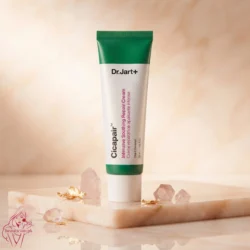
A soothing option like the COSRX Balancium Comfort Ceramide Cream or a centella-based formula pairs wonderfully with retinol, especially during the adjustment phase. If your skin tends to lean dry or sensitive, exploring best centella products for acne and redness can give your barrier extra support while retinol does its work underneath.
⚠️ Retinol Purging vs Irritation — How to Tell the Difference
This is where a lot of beginners panic unnecessarily. Retinol purging happens when the ingredient speeds up the surface turnover of acne that was already forming beneath the skin — it looks like a temporary breakout but actually clears faster than it would have naturally. Irritation, on the other hand, shows up as redness, burning, visible flaking, or a rash-like texture that wasn’t there before.
Purging typically:
Appears in areas you already break out in
Resolves within 2–6 weeks
Doesn’t come with burning or stinging
Irritation typically:
Appears in new areas, including cheeks or around the mouth
Comes with tightness, stinging, or visible redness
Gets worse the longer you continue without adjusting
Sensitive skin doesn’t mean retinol is off the table — it just means the approach needs to be gentler and slower. Patch-testing on the inner forearm for 48 hours before applying to the face is a simple precaution that saves a lot of heartache later.
A few extra tips that genuinely help sensitive skin types:
Apply retinol on completely dry skin, not damp, to reduce penetration intensity
Avoid layering with vitamin C or exfoliating acids on the same night
Stick to twice-weekly use for at least a month before increasing frequency
Many sensitive-skin users find real comfort in bakuchiol-retinol hybrid formulas, such as the Heimish RX Retinol Bakuchiol Eye Cream, which offers similar benefits with a softer introduction. If you’re dealing with reactive or eczema-prone skin specifically, this guide on Korean skincare for eczema-safe products is worth bookmarking alongside this one.
🛍️ Best Retinol Products for Beginners
Choosing the right starter product makes the entire process smoother. Here are a few beginner-friendly options worth considering:
For a wider look at how retinol compares to other anti-aging actives, this roundup of top 10 Korean anti-aging serums in Pakistan is a great next read once your skin has adjusted.
✅ Signs You’re Overusing Retinol
Even with the best intentions, it’s easy to push too fast. Watch for these warning signs:
Persistent redness that doesn’t fade between applications
Skin that feels raw or stings when applying plain water
Visible peeling beyond light, dry flaking
Breakouts that worsen rather than calm down after a month
If any of these appear, the solution isn’t to quit retinol entirely — it’s to scale back frequency, double down on barrier-repair moisturizers, and reintroduce more slowly once your skin calms down.
📝 Final Thoughts: Patience Is the Real Active Ingredient
Learning how to use retinol without irritation really comes down to one principle: respect the timeline. Retinol rewards patience far more than intensity. Start low, go slow, moisturize generously, wear SPF religiously, and let your skin set the pace rather than forcing results on week one.
If you’re building out a full routine around this step, pairing it with a structured Korean skincare routine for beginners will help you sequence actives correctly and avoid overwhelming your skin barrier. Retinol is a long-term investment — treat it like one, and the glow-up that follows will absolutely be worth the wait.
❓ Frequently Asked Questions
How often should beginners use retinol? Beginners should start with once every three nights for the first two weeks, gradually increasing to every other night, then nightly once tolerance builds.
When should I apply retinol — morning or night? Retinol should always be applied at night. It breaks down in sunlight and increases sun sensitivity, making daytime use ineffective and risky without proper SPF.
Why does retinol cause redness? Redness happens because retinol speeds up cell turnover, temporarily weakening the skin barrier until your skin builds tolerance over several weeks.
How long does retinol purging last? Purging typically lasts between two to six weeks and resolves on its own as skin cell turnover normalizes.
What moisturizer should I use with retinol? Ceramide-rich, fragrance-free moisturizers work best, as they repair the skin barrier without introducing additional active ingredients.
How can I reduce retinol irritation fast? Pause use for a few nights, apply a thick barrier-repair moisturizer, avoid other actives, and reintroduce retinol at a lower frequency once skin calms.