Skin Barrier Repair Trend: Why Everyone’s Talking About It (And How to Do It Right)
Scroll through TikTok or Instagram and you will keep seeing the same phrase: skin barrier repair. Creators are throwing away harsh scrubs. Dermatologists are explaining water loss in 30-second clips. Brands are printing “barrier” on every moisturizer. This is more than a passing fad. The skin barrier repair trend is a correction. After years of 10-step routines, strong acids and weekly peels, people are finding that stinging, flaky, tight skin is often a damaged skin barrier.
This guide explains what the barrier is and why it breaks. It then shows how to repair skin barrier function step by step. It also covers the ingredients and skin barrier repair products worth your money, with practical examples you can use tonight.
🧱 What Is a Skin Barrier? (And Why It Matters)
Your skin barrier is the outermost layer of your skin, called the stratum corneum. Dermatologists often compare it to a brick wall. The “bricks” are flat skin cells. The “mortar” holding them together is a blend of ceramides, cholesterol and fatty acids. Together they form your lipid barrier, also called the moisture barrier.
This wall has two jobs. It keeps water in, and it keeps irritants, bacteria and pollution out. When it works well, your skin feels soft, calm and evenly hydrated. When it cracks, water escapes through transepidermal water loss (TEWL), irritants slip in, and skin sensitivity climbs fast.
The wall also has a living shield on top. Your skin microbiome (the friendly bacteria on your face) and the acid mantle protect it. The acid mantle is a thin film with a slightly acidic skin pH balance of roughly 4.5 to 5.5. A harsh cleanser can strip this film in one wash, and your skin barrier function drops with it.
If you are new to this style of skincare, our guide on what K-beauty actually is explains the philosophy behind gentle, barrier-first routines.
🔥 Why Is Skin Barrier Repair Trending?
Three forces pushed barrier care into the spotlight.
The first is burnout from over-treatment. Social media rewarded aggressive routines for years: daily acids, strong retinoids, scrubs and layered serums. Many people ended up with burning, tight, red skin and no idea why. Once they simplified, their skin recovered. Those before-and-after stories spread quickly.
The second is skincare minimalism. The “less is more” skincare mindset has replaced the crowded shelf. Trends like “skin cycling” (alternating active nights with recovery nights) come from the same idea. Your skin needs rest days so the barrier can rebuild.
The third is K-beauty barrier care. Korean brands have spent years refining ceramide creams, centella soothers and panthenol serums. Social media skincare trends on TikTok and Instagram made them famous. Our roundup of viral Korean skincare products on TikTok shows how fast barrier-first products are growing.
In short, the skin barrier skincare trend is popular because it works, it is affordable, and it asks you to do less, not more.
🚨 Signs of a Damaged Skin Barrier
A damaged barrier does not always look dramatic. It often starts as small daily annoyances that you blame on your “skin type.” These are the most common signs of damaged skin barrier:
Tightness or stinging after products that never bothered you before
Redness and dryness, especially on the cheeks and around the nose
Flaking, rough patches or a dull, uneven texture
Sudden breakouts together with oiliness and dehydration
Burning when you apply moisturizer or sunscreen
Here is a real-life example. Sara, 27, adds a glycolic toner and a retinol serum in the same week. By day five her cheeks sting under running water, and her usual cream burns. She does not have “suddenly sensitive skin.” She has a compromised barrier. The same pattern sits behind most cases of retinol irritation and skin irritation from harsh actives.
A weak barrier can also worsen skin inflammation and conditions such as eczema, rosacea and dermatitis. If you live with eczema, read our guide to Korean skincare for eczema before choosing products.
⚠️ Skin Barrier Damage Causes
Understanding skin barrier damage causes is half the cure. Most damage comes from habits, not bad luck.
Over-exfoliation is the biggest culprit. So, can over-exfoliation damage skin barrier? Yes. Scrubs, AHAs, BHAs and peeling pads remove the dead cells that make up your protective wall. Used daily, or stacked together, they thin it out faster than your skin can rebuild it.
Harsh cleansing comes next. Hot water, foaming cleansers with a high pH and rough towels strip the lipids you need. A gentle cleanser that leaves skin comfortable, never squeaky, makes a big difference.
Other common causes include:
Using too many actives at once, such as retinol, vitamin C and acids in one routine
Skipping sunscreen, since UV light breaks down barrier lipids
Dry indoor air, air conditioning and Pakistan’s hot, dusty weather
Fragranced products, essential oils and alcohol-heavy toners
Stress, poor sleep and lack of water
Climate matters more than most people think. Heat makes you sweat and wash more often, while AC dries the air indoors. Our article on why you need sunscreen in Pakistan every day explains how UV exposure quietly weakens skin.
🧪 What Ingredients Repair the Skin Barrier?
The ingredients below actually rebuild or support the barrier. A simple rule helps here: replace the “bricks and mortar” and calm the inflammation.
Ingredient
What It Does
Best For
Ceramides
Refill the lipid “mortar” between skin cells
All skin types, especially dry
Cholesterol and fatty acids
Complete the lipid trio so ceramides work properly
Very dry or flaky skin
Panthenol (vitamin B5)
Soothes, hydrates and speeds up healing
Stinging, irritated skin
Centella asiatica (cica)
Calms redness and supports repair
Redness, sensitivity, acne marks
Hyaluronic acid
Pulls water into the skin for skin hydration
Dehydrated skin of any type
Niacinamide
Strengthens the barrier and reduces oil and redness
Oily and combination skin (low strength)
Squalane
Lightweight emollient that seals in moisture
Dry and sensitive skin
Peptides
Signal the skin to repair and firm
Mature or stressed skin
As the table shows, no single ingredient does everything. The strongest barrier repair skincare combines a ceramide-rich cream with a humectant like hyaluronic acid and a soother like panthenol or centella. Our guide to dermatologist recommended Korean skincare ingredients goes deeper on what each one does. For a closer look at one of the most popular options, read what niacinamide does for Pakistani skin.
🛠️ How to Repair Skin Barrier: A Step-by-Step Routine
The best skin barrier repair routine is short, boring and consistent. Here is how to restore skin barrier health without adding stress.
Step 1: Stop the Damage First
Pause all exfoliating acids, retinoids, scrubs and strong vitamin C for at least two weeks. This is the most important step and the most skipped. You cannot rebuild a wall while someone keeps knocking bricks off it. This is also the heart of the “less is more” approach, so simplify skincare routine habits start here.
A rich cream seals everything in. This is where skin barrier repair cream earns its place. It helps you lock in moisture and reduce water loss overnight. You will find more options in our moisturizers collection.
Step 5: Protect Every Morning
Sunscreen is part of how to repair skin barrier damage, not an extra. UV light weakens the lipids you are trying to rebuild. Choose a gentle, fragrance-free formula. Beauty of Joseon Relief Sun Rice + Probiotics is a popular lightweight option. Browse more in our guide to the best Korean sunscreens in Pakistan. This is how you protect skin from environmental damage every day.
💧 Best Moisturizer for Skin Barrier: What to Look For
So, which moisturizer is best for a damaged skin barrier? Look for three things on the label. First, ceramides, ideally with cholesterol and fatty acids. Second, a soothing ingredient such as panthenol, centella or oat. Third, a fragrance-free, alcohol-free formula. Skip anything with strong essential oils, menthol or heavy perfume, even if it smells lovely.
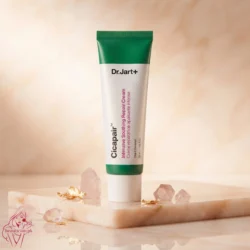
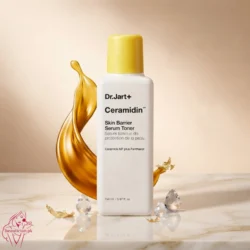
Here are well-loved skin barrier repair products and creams from our shelves. Each suits a slightly different need:
A quick tip: apply your cream on slightly damp skin. This traps extra water and makes the product work harder.
⏳ How Long Does It Take to Repair a Skin Barrier?
Patience is part of the process. Most people ask, how long does it take to repair a skin barrier? The honest answer is that it depends on how damaged it is. Healthy skin renews itself roughly every 28 days, so full recovery follows that cycle.
Damage Level
Typical Recovery Time
What You Will Notice
Mild (slight tightness)
1 to 2 weeks
Less stinging, softer feel
Moderate (redness, flaking)
2 to 4 weeks
Calmer tone, smoother texture
Severe (burning, cracked skin)
4 to 8 weeks or more
Gradual healing; see a dermatologist
These are general estimates, not guarantees. Recovery slows down if you keep using irritating products. If your skin is still burning after a few weeks, or you have open or weeping patches, see a dermatologist. Barrier damage can overlap with eczema, rosacea or contact dermatitis, and those need proper medical care.
🧴 Is Skin Barrier Repair Good for Oily Skin?
Yes, and oily skin often needs it more than people expect. Many oily-skin users over-cleanse and over-exfoliate to fight shine. That strips the barrier, so the skin makes more oil to compensate. The result is oily and dehydrated skin together.
🌿 Rebuild Skin Barrier Naturally: Everyday Habits That Help
Products are only part of the story. You can rebuild skin barrier naturally with a few lifestyle changes.
Wash your face with lukewarm water, never hot. Use a clean, soft towel and pat your skin dry. Drink enough water and eat foods rich in omega-3 fats, such as fish, walnuts and flaxseed. These support your skin’s natural lipids from the inside. Sleep well, since skin repairs itself at night, and use a humidifier if you sit in air conditioning all day.
Introduce new products one at a time, and patch-test each one for a few days. This habit alone prevents most routine disasters and helps heal damaged skin faster. When you are ready to bring actives back, start with one product, two nights a week, and build up slowly.
💡 Final Thoughts: Less Really Is More
The skin barrier repair trend lasts because it is based on real skin biology. A strong barrier means calmer skin, better hydration and fewer reactions. It also helps every active ingredient you use later work better.
The plan is simple. Stop over-exfoliating, cleanse gently, add ceramides and soothers, moisturize well and wear sunscreen daily. Give your skin a few weeks, and it will usually reward you. Healthy skin is less about doing more and more about protecting what you already have.
✨ Ready to Rebuild Your Skin Barrier?
Start with one gentle cleanser and one ceramide cream, then add from there. Explore the full range of authentic Korean skincare in our online shop, or browse our cleansers and redness relief collections to build your barrier-care routine today.
❓ Frequently Asked Questions
What is a skin barrier?
The skin barrier is the outermost layer of your skin (the stratum corneum). It is made of skin cells held together by ceramides, cholesterol and fatty acids. It locks in moisture and blocks irritants, bacteria and pollution.
Why is skin barrier repair trending?
It is trending because many people damaged their skin with over-exfoliation and too many actives. Simple, gentle routines gave quick results, and social media spread those stories.
How do I know if my skin barrier is damaged?
Common signs include stinging, tightness, redness, flaking, sudden sensitivity and breakouts together with dryness. Products that were once comfortable may start to burn.
How long does it take to repair a skin barrier?
Mild damage can heal in one to two weeks. Moderate damage usually takes two to four weeks. Severe damage may need four to eight weeks or more, plus advice from a dermatologist.
What ingredients repair the skin barrier?
Ceramides, cholesterol, fatty acids, panthenol (vitamin B5), centella asiatica, hyaluronic acid, niacinamide, squalane and peptides all support barrier repair.
Can over-exfoliation damage skin barrier?
Yes. Frequent use of scrubs, AHAs, BHAs or peeling pads removes protective skin cells and lipids, which leads to dryness, redness and sensitivity.
Is skin barrier repair good for oily skin?
Yes. Oily skin can also have a damaged barrier. Lightweight gel creams with niacinamide, hyaluronic acid and panthenol help restore balance without clogging pores.
Which moisturizer is best for a damaged skin barrier?
Choose a fragrance-free cream with ceramides, cholesterol or fatty acids, and a soothing ingredient like panthenol or centella.