Microbiome Skincare: Probiotics for Your Face Explained (Without the Hype)
You have probably seen the words “probiotic” and “biome” on skincare labels lately, from sunscreens to overnight masks. Microbiome skincare is one of the biggest ideas in modern beauty, and also one of the most misunderstood. Some people think it means smearing yogurt on your face. Others think it is just a marketing trick.
The truth sits in the middle. Your skin is home to trillions of microorganisms, and keeping them in balance really does affect how calm, hydrated and clear your skin looks. In this guide, I’ll explain what microbiome skincare is, how probiotics for your face work, and how to pick products that suit your skin without wasting money.
🧫 What Is Microbiome Skincare?
Microbiome skincare is an approach to skincare that protects and supports the community of bacteria, fungi and other microbes living on your skin. This community is called the skin microbiome or skin flora. Instead of stripping your face clean and then repairing the damage, this approach asks a different question: how do I help my skin’s own ecosystem stay balanced?
Think of your face as a garden. Healthy soil is full of beneficial organisms that keep weeds and pests under control. If you scrub too hard, use harsh cleansers or over-exfoliate, you disturb the soil. Then the weeds, which here means acne-causing bacteria, irritation and redness, take over more easily.
Most of the microbes on your skin are harmless or helpful. They help keep the surface slightly acidic, train your immune system to tell friend from foe, and support the skin barrier. When the community is out of balance, which scientists call dysbiosis, skin can become dry, reactive, oily, itchy or breakout-prone.
🔬 How Do Probiotics Work on Skin?
If you are asking how do probiotics work on skin, the honest answer is that it is more subtle than “adding good bacteria to your face.”
Most so-called probiotic skincare products do not contain large numbers of live bacteria. Keeping microbes alive in a cream or serum on a shelf is difficult, and many formulas would also need strong preservatives that kill them. So most products work in one of three ways:
They contain fermented ingredients or lysates (broken-down bacterial cells), such as Lactobacillus ferment or Bifidobacterium ferment filtrate.
They contain compounds that feed beneficial microbes.
They help lower inflammation and keep the skin’s surface at a healthy pH balance, which makes life easier for beneficial bacteria.
In practice, the “probiotic” on the label usually means a fermented, skin-friendly ingredient that supports barrier health. That is still useful, as long as your expectations are realistic.
🌱 Prebiotic vs Probiotic Skincare vs Postbiotic Skincare
This is the most confusing part of the category, so here is a simple comparison.
When people compare prebiotic vs probiotic skincare, they often assume one is better. They actually work as a team. A routine that includes all three, or at least a good mix, tends to be gentler and more balanced. Postbiotic skincare is also growing quickly because postbiotics are stable and easy to put into formulas.
✨ Benefits of Probiotics for Skin
The benefits of probiotics for skin come mostly from barrier support and calming effects. Research in this area is still developing, so I’ll avoid miracle claims. Here is what the ingredients are generally used for:
A stronger skin barrier. A healthy barrier holds in moisture and keeps irritants out. Fermented ingredients often appear alongside ceramides in barrier-repair formulas.
Better hydration. When the barrier works well, your skin loses less water, and hydration stays steadier through the day.
Calmer, less reactive skin. Probiotic-derived ingredients are widely used in formulas for sensitive skin and redness-prone skin.
Support for acne-prone skin. Balanced skin flora may help keep breakouts from flaring as often, although probiotics are not a replacement for acne treatment.
A more even, comfortable feel. Many people describe their skin as “less stressed” after switching to gentler, barrier-focused routines.
One idea you will hear a lot is the gut-skin axis: the link between gut health and skin condition. Diet, stress and sleep influence both. Probiotic supplements are sometimes discussed in relation to skin, but topical products and gut probiotics do different jobs, so don’t treat them as interchangeable.
🤔 Do Probiotics Really Work on Your Face?
Yes, with limits. Evidence is promising for barrier support and soothing, but it is much stronger for the concept of protecting your microbiome than for any single trendy ingredient. Products with fermented or biotic ingredients can make a routine gentler and more comforting. They will not erase deep wrinkles, replace prescription acne care or work overnight.
A fair way to think about it: probiotics are a supporting player, not a miracle worker. They work best when the rest of your routine is not sabotaging your skin flora.
🚫 What Damages Your Skin Microbiome?
Before you buy anything new, check your current habits. Many people spend money on probiotic creams while doing things that undo the benefit.
Over-cleansing is the biggest culprit. Harsh, high-pH cleansers strip the oils and acidity your good bacteria depend on. If your face feels squeaky and tight after washing, that is a warning sign. Using strong exfoliating acids too often, layering many actives together, hot water, aggressive scrubs and skipping sunscreen can all push your skin out of balance.
Choosing a probiotic face cream, a probiotic serum for face or a toner is easier when you follow a few simple rules.
1. Start with your skin type and concern. Dry and sensitive skin usually prefers creams and barrier-repair formulas. Oily or acne-prone skin does better with lightweight essences, gels and gentle cleansers.
2. Read the ingredient list. Look for fermented ingredients and biotic complexes, along with supportive partners like ceramides, panthenol, centella and hyaluronic acid. A product that lists “probiotics” only in marketing but not in the ingredients is not worth your money.
3. Prefer gentle, low-irritation formulas. The whole point is to protect the barrier, so avoid fragrance-heavy or alcohol-heavy products if your skin is reactive.
4. Introduce one product at a time. Wait at least a week or two before adding another, so you can tell what works.
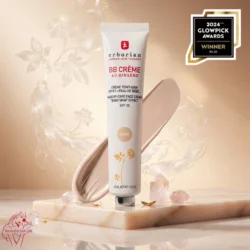
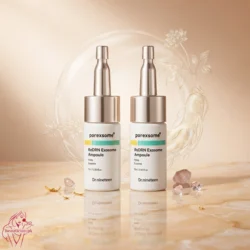
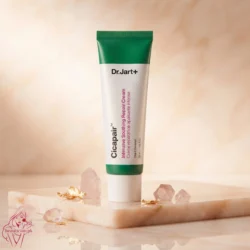
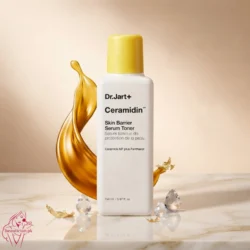
If you are searching for the best microbiome skincare products, these Korean options are popular choices for different steps of a routine. Pick based on your skin type, not on hype.
You do not need ten steps. A routine of four to five gentle products is enough. This is the kind of simple plan I’d suggest to a client who says her skin feels “confused.”
Morning: Rinse with water or use a mild, low-pH cleanser. Apply a hydrating essence or toner, then a barrier-supporting serum. Finish with a moisturizer and a broad-spectrum sunscreen.
Evening: Remove sunscreen and makeup with a cleansing oil or balm, then follow with a gentle foam cleanser if needed. Apply your biotic essence or ampoule, then a repair cream. Two or three nights a week, you can swap the cream for a sleeping mask.
Keep strong actives like retinol and exfoliating acids to a minimum while your barrier recovers. If you want to bring them back, add one at a time. Our guide to dermatologist-recommended Korean skincare ingredients explains which ones pair well with a barrier-first routine.
🎯 Who Benefits Most From Microbiome Skincare?
Microbiome-friendly products are especially helpful for people whose skin barrier is struggling.
If you have sensitive or reactive skin, the soothing nature of fermented ingredients can make daily care more comfortable. Pair them with centella-based products, as covered in our guide to the best centella products for acne and redness in Pakistan.
If you have eczema-prone or very dry skin, be extra careful. Our article on Korean skincare for eczema lists safer options, and it is wise to talk to a dermatologist first.
⏳ How Long Does Probiotic Skincare Take to Show Results?
Be patient. Skin cells take about 28 days or more to renew, and barrier repair is gradual. Most people notice that skin feels more comfortable and hydrated within two to four weeks. Changes in breakouts or redness can take six to eight weeks or longer. If you see no improvement after two months, or your skin gets worse, stop the product and speak to a professional.
⚠️ Is Probiotic Skincare Safe for Sensitive Skin?
For most people, yes. Fermented and postbiotic ingredients are typically gentle. Still, any product can irritate, especially if it contains fragrance, essential oils or strong preservatives. Always patch-test a new product on your inner arm or behind the ear for 24 to 48 hours before using it on your face. If you have a skin condition, a known allergy or very reactive skin, ask your dermatologist first.
✅ Key Takeaways
Microbiome skincare is not about adding bacteria to your face. It is about protecting the balance of your skin ecosystem and giving it the support it needs. Be gentle with cleansing, choose fermented or biotic ingredients paired with ceramides and soothing botanicals, wear sunscreen every day, and give your skin time. These small changes usually deliver more than any single expensive product.
💬 Ready to Build Your Microbiome-Friendly Routine?
Start with one or two products, such as a gentle cleanser and a probiotic essence or sunscreen, and add more slowly. You can explore the full range of authentic Korean skincare at Beautician.pk or use our guide to buying Korean skincare online in Pakistan to shop with confidence. Not sure what suits your skin? Browse by concern and pick products that match your needs.
❓ Frequently Asked Questions
What is microbiome skincare? Microbiome skincare is a routine and product approach designed to protect and balance the community of microbes living on your skin. It focuses on gentle cleansing, barrier support and ingredients like prebiotics, probiotics and postbiotics.
Do probiotics really work on your face? They can help support the skin barrier and calm irritation, but results are gradual and modest. They work best as part of a gentle routine, not as a standalone miracle fix.
Are probiotics good for your skin? For many people, yes. Fermented and biotic ingredients are generally well tolerated and are commonly used to support hydration and comfort, especially in sensitive skin.
Can probiotic skincare help with acne? It may help by keeping the skin barrier and flora balanced, which can reduce irritation. It is not a replacement for proven acne treatments, so see a dermatologist for persistent or severe acne.
How to restore the skin barrier naturally? Cleanse gently, avoid over-exfoliating, use moisturizers with ceramides and hydrating ingredients, wear sunscreen daily, and simplify your routine while your skin recovers.
How to balance good and bad bacteria on skin? Avoid harsh cleansers and over-washing, keep your routine simple, use pH-friendly products and add biotic ingredients that support the barrier.
What is the difference between prebiotics, probiotics and postbiotics? Prebiotics feed good bacteria, probiotics are beneficial microbes or their ferments, and postbiotics are helpful by-products those microbes produce.
Is probiotic skincare safe for sensitive skin? It is usually gentle, but you should still patch-test and check for fragrance or other irritants. People with skin conditions should consult a dermatologist.
How to choose a probiotic face product? Match it to your skin type, check the ingredient list for fermented or biotic ingredients, look for supportive ingredients like ceramides and centella, and buy from an authentic seller.
How long does probiotic skincare take to show results? Most people see better comfort and hydration in two to four weeks, while changes in breakouts or redness may take six to eight weeks or longer.
Disclaimer: This article is for educational purposes and is not medical advice. If you have a persistent skin condition, consult a qualified dermatologist.