Skincare for Sensitive Skin in Pakistan: The Complete Guide to Calm, Comfortable Skin
If your face stings after a new cream, turns red after a hot afternoon, or feels tight after washing, you already know how frustrating it is to live with reactive skin. Skincare for sensitive skin in Pakistan comes with extra challenges: strong summer heat, humidity, dust, pollution, and a market full of products that may not be authentic or gentle.
The good news is that sensitive skin responds very well to a simple, consistent and gentle approach. In this guide, I’ll explain what sensitive skin really is, what triggers it in our climate, how to build a safe routine step by step, and how to choose products without gambling on your skin barrier.
🌸 What Is Sensitive Skin?
Sensitive skin is not an official skin type like oily or dry. It is a condition where your skin reacts more easily to products, weather, or stress. You may notice redness, burning, itching, tightness, rough patches, or small bumps that appear quickly and calm down slowly.
Most of the time, sensitive skin comes down to a weakened skin barrier. Think of the barrier as a brick wall: skin cells are the bricks, and lipids such as ceramides are the mortar. When the wall is strong, it keeps moisture in and irritants out. When it is cracked, water escapes and irritants slip in, so even a gentle product can sting.
Genetics play a role, and so does your environment. Some people are born with reactive skin. Others damage a healthy barrier through harsh cleansing, too many actives, or constant sun exposure. Either way, the fix starts in the same place: protect and repair the barrier.
🔍 How Do I Know If I Have Sensitive Skin?
Many people assume they have sensitive skin when they actually have a damaged barrier from overuse of products. The signs overlap, so it helps to look at patterns.
You likely have sensitive skin if your face turns red or feels warm after washing, if new products often sting or itch, and if heat, wind or spicy food triggers flushing. Skin that feels dry and tight within minutes of cleansing is another strong clue. If this started suddenly after you introduced exfoliating acids, retinol or a strong scrub, your barrier is probably irritated rather than naturally sensitive. In both cases, the plan is similar.
If you have scaly, itchy patches, persistent redness or burning that does not settle, see a dermatologist. Conditions like eczema, rosacea and contact dermatitis need proper diagnosis, and no routine replaces medical care.
🌡️ What Causes Sensitive Skin in Pakistan?
Our environment is demanding. Understanding the triggers helps you avoid them.
Heat and humidity. Hot weather increases sweating and can make skin flushed and itchy. Many people respond by washing their face repeatedly, which strips the barrier even further. This is also the answer to why is my skin so sensitive in summer in Pakistan: sun, sweat, and over-cleansing combine to push the barrier past its limit.
Dust and pollution. City air in places like Lahore, Karachi and Islamabad carries fine particles that sit on skin and can trigger irritation. Cleansing is important, but it has to be gentle.
Product overload. Trends push people to layer acids, retinol, vitamin C and scrubs at once. Sensitive skin cannot keep up with that pace.
Fake or poorly stored products. Counterfeit skincare is a real risk because ingredients and hygiene are unknown. Learn how to protect yourself with our guide on how to spot fake Korean skincare products in Pakistan.
🧴 The Best Skincare Routine for Sensitive Skin
The best sensitive skin care routine is short. Fewer products mean fewer chances of irritation and easier troubleshooting. Aim for four to five steps, and introduce only one new product at a time.
Step 2: Hydrate with a soothing toner or essence. Pick an alcohol-free toner and pat it in with clean hands instead of rubbing. The Purito Wonder Releaf Centella Toner (Unscented) is a good example of a fragrance-free, centella-based option. If you are unsure how to apply it, see our guide on using a toner correctly.
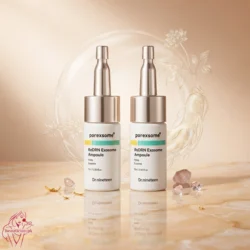
Step 3: Add a calming serum (optional). Look for centella asiatica, panthenol or hyaluronic acid. The Skin1004 Madagascar Centella Ampoule is a classic soothing step.
Step 4: Moisturize. A good barrier cream locks everything in. We cover this in detail below.
Step 5: Protect with sunscreen. This is the most important step of all, and we’ll cover it in its own section.
🌙 Evening Routine
At night, remove sunscreen, dust and sweat without scrubbing. If you wear makeup or heavy sunscreen, a gentle first cleanse followed by a mild second cleanse works well. Our double cleansing guide shows the right technique, which is mostly about being gentle and using lukewarm water. Follow with your soothing essence or serum and a repair moisturizer.
Not every “active” belongs on reactive skin, at least not at first. The table below gives a quick reference for ingredients that tend to help and ingredients that often irritate. Individual reactions vary, so always patch test.
Usually Soothing ✅
Often Irritating ⚠️
Ceramides
Added fragrance and essential oils
Panthenol (vitamin B5)
Denatured (drying) alcohol
Centella asiatica (cica)
Harsh physical scrubs
Hyaluronic acid
High-strength AHA/BHA peels
Squalane and glycerin
Strong retinol used too often
Oat and allantoin
Menthol, camphor and strong mint
Mineral (zinc/titanium) sunscreen filters
Harsh sulfate-heavy cleansers
A product labeled “natural” is not automatically safe. Many essential oils and plant extracts are common allergens. Check the full ingredient list, and favor short, simple formulas. Our article on dermatologist-recommended Korean skincare ingredients is a useful companion if you want to dive deeper.
🧪 Can Sensitive Skin Use Vitamin C and Retinol?
Yes, but carefully, and only after your barrier feels stable. If your skin is currently red, stinging or peeling, skip actives completely until it calms down.
When you are ready, start with the gentlest versions. For vitamin C, choose a low concentration or a gentle derivative and apply it every other day. For retinol, begin with a low percentage, use it once or twice a week on dry skin, and always buffer with moisturizer. Bakuchiol-based products are another milder option for some people.
Never introduce vitamin C, retinol and exfoliating acids in the same week. Add one, wait two to three weeks, then decide. Our comparison of niacinamide vs vitamin C and which to use first can help you sequence them without overloading your skin. If you notice breakouts or irritation after starting something new, read about skin purging vs a bad reaction before you decide to quit.
💧 Which Moisturizer Is Best for Sensitive Skin in Pakistan?
A moisturizer for sensitive skin should do three jobs: hydrate, soften, and seal. Look for ceramides, panthenol, glycerin and centella, and avoid heavy fragrance.
Texture matters in our climate. In summer, a light gel-cream feels more comfortable. In winter or in air-conditioned rooms, a richer cream may suit better. Here are some options worth considering:
You can compare more textures in our moisturizers collection. If you are not sure which feels right for your climate, start with a gel-cream and size up in winter.
🌞 How to Choose Sunscreen for Sensitive Skin
If you only add one product, make it sunscreen. UV exposure worsens redness, weakens the barrier, and deepens dark marks. But the wrong sunscreen can sting or clog skin, which is why many sensitive-skin sufferers avoid it. A better match fixes that.
Consider mineral filters. Mineral (physical) sunscreens use zinc oxide or titanium dioxide, which sit on top of the skin and are often better tolerated by reactive skin. Some chemical filters can sting eyes or irritate certain people, although modern formulas are much gentler than older ones.
Check for fragrance and alcohol. Fragrance-free and low-alcohol formulas are safer bets.
Choose a texture you will actually use. A sunscreen that feels greasy in hot weather will not get applied. Lightweight gels and milks usually work best in our summers.
Apply enough, about two finger-lengths for face and neck, and reapply every two to three hours if you are outdoors.
🧊 How to Calm Irritated Skin Fast
When your skin flares, the goal is to reduce stimulation, not to add more products. This simple rescue plan works for most mild irritation.
First, stop all actives: retinol, vitamin C, acids, scrubs and masks. Second, simplify to three steps: a gentle cleanser (or water rinse), a soothing moisturizer, and sunscreen in the morning. Third, use cool, not cold or hot, water. Fourth, avoid touching, picking or exfoliating. Finally, give it time. A barrier usually needs two to four weeks to recover, sometimes longer.
Repairing the barrier is slow, steady work. The principles are simple: protect, hydrate and avoid new damage.
Switch to a low-pH, non-stripping cleanser and keep washes to twice a day at most. Use a moisturizer with ceramides and apply it while your skin is slightly damp to lock in water. Wear sunscreen daily. Skip exfoliation entirely until your skin feels comfortable, then reintroduce a mild exfoliant once a week at most. Finally, keep lifestyle in mind: sleep, hydration and stress management genuinely affect how reactive your skin is.
You may notice improvements in comfort within a week or two, but a full recovery often takes a month or more.
🍃 Is Korean Skincare Good for Sensitive Skin?
It can be, if you choose well. Korean skincare has a strong focus on barrier health, hydration and soothing ingredients like centella, panthenol and ceramides. Many brands have dedicated sensitive-skin ranges with minimal fragrance.
But “Korean” does not automatically mean “gentle.” The famous ten-step routine, exfoliating toners and strong brightening serums can overwhelm reactive skin. The smarter approach is to borrow the philosophy, not the step count: simple cleansing, layered hydration, and consistent sun protection. Our guide to authentic Korean skincare in Pakistan explains how to shop safely, and the Korean skincare for melanin-rich skin guide covers considerations for deeper skin tones, which can be more prone to lasting dark marks after irritation.
🩺 Sensitive Skin Treatment at Home: What Actually Helps
Home care works best when it is boring. These habits matter far more than any viral remedy.
Use lukewarm water, pat dry with a clean towel, and change pillowcases regularly. Keep your hands off your face, and patch test every new product on your inner arm or behind your ear for 24 to 48 hours. Introduce products one at a time with at least a week or two between additions.
Be careful with DIY recipes. Lemon juice, baking soda, toothpaste, raw spices and strong essential oils are common causes of burns and long-lasting dark marks, especially on sensitive skin. If you want natural-feeling ingredients, choose formulated products with tested concentrations instead.
Gentle cleanse (double cleanse if wearing sunscreen or makeup)
Hydrate
Soothing toner or essence
Soothing toner or essence
Treat
Centella or panthenol serum (optional)
Same serum, or a gentle active 1–2 nights a week once the barrier is stable
Moisturize
Ceramide or gel-cream
Richer barrier cream
Protect
Sunscreen SPF 30–50
—
🛍️ Where to Shop for Sensitive Skin Products in Pakistan
Authenticity matters more for sensitive skin than for anyone else. A counterfeit cream might contain unlisted fragrance or contaminants that trigger a reaction. Buy from trusted sellers that source directly and ship securely, and check batch codes and packaging details when your order arrives. Our guide to buying Korean skincare online in Pakistan walks through what to look for.
Sensitive skin is manageable once you stop fighting it. Keep your routine small, choose fragrance-free and barrier-supporting products, protect your skin from the sun every day, and introduce changes slowly. In Pakistan’s heat, dust and humidity, gentleness plus consistency beats any complicated regimen.
Remember the core rules: cleanse softly, moisturize with ceramides, wear sunscreen, patch test, and give your skin time. If redness, burning or itching does not improve, ask a dermatologist for help rather than adding more products.
💬 Ready to Build Your Gentle Routine?
Start with just three products: a mild cleanser, a barrier-repair moisturizer and a sunscreen you enjoy wearing. Add one new step every two to three weeks, only if your skin stays calm. Explore authentic, carefully selected options at Beautician.pk and build a routine that your skin can finally relax into.
❓ Frequently Asked Questions
What is sensitive skin? Sensitive skin is a condition where skin reacts easily to products, weather or stress with redness, stinging, itching or tightness. It is usually linked to a weakened skin barrier.
How do I know if I have sensitive skin? Common signs include frequent redness, stinging with new products, tightness after washing, and flushing in heat. If symptoms are severe or persistent, see a dermatologist for a proper diagnosis.
What causes sensitive skin? Genetics, a damaged skin barrier, harsh cleansers, over-exfoliation, fragrance, sun exposure, pollution and underlying conditions like eczema or rosacea can all contribute.
What is the best skincare routine for sensitive skin? Keep it simple: a gentle low-pH cleanser, a soothing toner or essence, a ceramide moisturizer and a daily sunscreen. Add other products slowly and one at a time.
Which ingredients should sensitive skin avoid? Fragrance, essential oils, denatured alcohol, harsh scrubs, strong acids and high-strength retinol are common triggers. Always patch test new products.
Which moisturizer is best for sensitive skin in Pakistan? Choose a fragrance-free moisturizer with ceramides, panthenol or centella. Gel-creams suit summer, while richer creams work better in winter or air-conditioned spaces.
Is Korean skincare good for sensitive skin? It can be, especially products built around centella, ceramides and hydration. Avoid overly complex routines and strong exfoliating products if your skin is reactive.
How to calm irritated skin fast? Stop all actives, use lukewarm water, apply a soothing moisturizer and wear sunscreen. Avoid scrubbing or picking, and give your skin two to four weeks to settle.
How to repair a damaged skin barrier? Use a gentle cleanser, moisturize with ceramides, avoid exfoliation, wear daily sunscreen and simplify your routine until your skin feels comfortable.
Can sensitive skin use vitamin C and retinol? Yes, but only after the barrier is stable. Start with low strengths, use them a few times a week, and never introduce multiple actives at once.
How to choose sunscreen for sensitive skin? Look for fragrance-free formulas, consider mineral filters, pick a lightweight texture you will use daily, and patch test before full use.
Why is my skin so sensitive in summer in Pakistan? Heat, sweat, humidity, dust, UV exposure and over-cleansing can weaken the barrier, making skin more reactive. Gentle cleansing, light moisturizers and daily sunscreen help.
Disclaimer: This article is for educational purposes and is not medical advice. If you have persistent redness, burning, eczema or suspected allergic reactions, consult a qualified dermatologist.