Retinol vs Bakuchiol for Sensitive Skin: Which One Is Actually Safer?
If your face stings after a “gentle” night cream, you already know why retinol vs bakuchiol for sensitive skin is such a hot debate. Retinol is the most researched anti-aging ingredient in skincare, but it is also famous for redness, flaking and tightness. Bakuchiol is the plant-based newcomer that promises similar benefits without the drama.
So which one deserves a place on your shelf? The honest answer depends on your skin type, your tolerance and your goals. This guide walks through how each ingredient works, how they compare on irritation and results, and how to introduce them without wrecking your skin barrier.
Think of it as a chat with a beautician who has watched hundreds of customers go through the “my skin is peeling, help!” phase. By the end, you will know which option suits you.
🧴 What Is Retinol, and Why Does It Irritate Sensitive Skin?
Retinol belongs to the retinoids family. These are vitamin A derivatives that speed up cell turnover and encourage collagen production. That is why they are used for fine lines and wrinkles, uneven texture, acne and hyperpigmentation.
How Retinol Works
Once applied, your skin converts retinol into retinoic acid, the active form that talks to your skin cells. It tells them to shed old cells faster and to build new, firmer ones. The result, over months, is smoother texture, softer lines and a more even tone.
Why Sensitive Skin Reacts
The same speed-up that gives retinol its power also puts stress on the skin barrier. The outer layer thins slightly, water escapes more easily and nerves near the surface become more reactive. This is where skin irritation, redness and peeling come from.
Many people also meet retinol purging, a temporary breakout as congestion rises to the surface faster. If you have ever wondered whether your breakout is a purge or a bad reaction, our guide on why your skin is purging with Korean skincare explains the difference.
For sensitive, rosacea-prone or eczema-prone skin, these effects can arrive quickly and last longer. That does not mean retinol is off the table. It means the dose, the formula and the pace matter far more than usual.
🌿 What Is Bakuchiol and How Does It Work?
Bakuchiol is a compound taken from the seeds of the Psoralea corylifolia plant, also known as babchi. It has been used in traditional medicine for a long time, and it entered modern skincare as a plant-based retinol alternative.
Here is the interesting part. Bakuchiol is not a vitamin A derivative. It does not look like retinol chemically. Yet lab and clinical work suggest it can switch on some of the same skin pathways that retinol does. That is why it is often called a “functional” retinol alternative.
In practice, bakuchiol helps with:
Softening the look of fine lines
Improving firmness and elasticity
Fading dark spots and uneven tone
Providing antioxidant support
What makes it popular for delicate skin is its reputation for being gentler. It is also considered less likely to cause the photosensitivity that people associate with retinoids, although daily sunscreen is still the smart choice. Many formulas are also vegan skincare friendly and fragrance-free, which suits reactive skin well.
⚖️ Retinol vs Bakuchiol: A Side-by-Side Comparison
Before we go deeper, here is a quick snapshot. This table covers the points people ask about most when they search for bakuchiol vs retinol.
Factor
Retinol
Bakuchiol
Source
Vitamin A derivative
Plant extract (Psoralea corylifolia)
Irritation risk
Moderate to high, especially at the start
Low for most people
Speed of results
Often 8 to 12 weeks, sometimes faster
Often 8 to 12 weeks, usually gradual
Sun sensitivity
Increased
Lower, but SPF still needed
Pregnancy
Generally avoided
Limited data, ask your doctor first
Best for
Resilient skin, stubborn lines, acne
Sensitive, reactive or beginner skin
Use frequency
Build up slowly, often at night
Usually fine morning and night
The takeaway is simple. Retinol has the longest track record and the strongest evidence base. Bakuchiol trades some of that history for a much gentler experience. Neither wins every category, which is why the right pick is personal.
🔬 Is Bakuchiol Really as Good as Retinol?
This is the big question behind most searches for does bakuchiol work like retinol. The short version is that the early evidence is encouraging, but not final.
What the Research Says
One widely cited clinical study compared 0.5% bakuchiol used twice daily with 0.5% retinol used once daily over 12 weeks. Both groups saw comparable improvement in wrinkle appearance and pigmentation. The retinol group reported more stinging and scaling, while the bakuchiol group tolerated the product better.
That is a promising result. But it was a relatively small trial, so most dermatologists treat it as a strong signal rather than proof that the two are identical. Retinoids still have decades of research behind them, especially for acne and deeper photoaging.
What Results Feel Like in Real Life
In the salon, we see this pattern often. Customers on retinol sometimes notice faster changes in texture and breakouts, but they also report a rough first month. Customers on bakuchiol notice a softer, calmer progression. Their skin looks plumper and more even over time, with far fewer complaints.
For bakuchiol vs retinol for wrinkles, think of retinol as the sprinter and bakuchiol as the steady jogger. Both can reach the finish line, but one is much kinder to your knees.
Results from either ingredient take time. Expect around two to three months of consistent use before you judge. If you want ideas for formulas that target lines, our roundup of the top 10 Korean anti-aging serums in Pakistan is a useful place to browse.
🛡️ Is Bakuchiol Safer Than Retinol for Sensitive Skin?
For most people with sensitive skin, yes. Bakuchiol is usually the safer starting point. But “safer” needs a bit of nuance, so let’s look at the common situations.
Everyday Sensitive Skin
If your skin gets red from wind, fragrance or a new cleanser, bakuchiol is generally the easier option. It is less likely to trigger the burning and flaking cycle. Think of it as the entry-level choice for gentle anti-aging ingredients.
Rosacea-Prone and Eczema-Prone Skin
These skin types already have a fragile barrier. Retinol can worsen flushing or dry patches, so many people avoid it or use only very low strengths under professional advice. Bakuchiol is often better tolerated, though no ingredient is risk-free. Rare allergic reactions to bakuchiol do exist, which is why a patch test matters.
This is where people often get confused, so let’s be careful. Retinoids are generally advised against during pregnancy. Bakuchiol is not a retinoid, and people often call it pregnancy-safe skincare. However, solid safety studies in pregnant people are limited. The responsible advice is to check with your doctor or dermatologist before using either one.
Sun Sensitivity
Retinol can make skin more reactive to UV, so daily protection is non-negotiable. Bakuchiol is considered less photosensitizing, but you should still wear SPF, particularly in Pakistan’s strong sun. Our piece on why you should wear sunscreen in Pakistan every day explains this well, and the best Korean sunscreens in Pakistan list helps you choose one.
💡 How to Choose Between Retinol and Bakuchiol
Picking comes down to your skin’s history and your goals. Here is a simple way to think about it.
Choose bakuchiol if your skin stings easily, you are new to actives, you have redness-prone skin, or you want a low-risk nighttime skincare routine step. It is also the sensible choice if you have tried retinol before and quit because of irritation.
Choose retinol if your skin is resilient, you are targeting persistent acne or deeper lines, and you are comfortable with a slow, careful introduction. Low strengths and buffered formulas make this far easier than it used to be.
Some people even use both, just not at the same time. A common approach is bakuchiol in the morning and a low-dose retinol on a few evenings each week. If your skin is on the fragile side, though, start with only one active. Changing too many things at once makes it impossible to know what caused a reaction.
Even the gentlest active can backfire if you rush. These simple habits protect your skin whichever ingredient you choose.
Always Patch Test First
Apply a small amount behind your ear or along your jawline for three to five days. If you see redness, itching or swelling, stop. This step takes seconds and saves weeks of recovery.
Starting Retinol on Sensitive Skin
Begin with a low strength, such as 0.1% or lower, twice a week at night. Use the “sandwich method”: moisturizer, retinol, then moisturizer again. Add a third night only when your skin feels calm for two weeks. To avoid retinol irritation, never layer it with strong exfoliating acids in the same routine.
Starting Bakuchiol
Most people can begin every night, or even twice daily. Still, give your skin a few days to adjust. Pair it with soothing, barrier-friendly steps rather than stacking more actives.
Build a Supportive Routine
Whichever ingredient you use, your supporting cast matters. Look for a fragrance-free cleanser, a moisturizer with ceramides, hydration from hyaluronic acid, and calming niacinamide. If you want to understand that last one better, here is what niacinamide does for Pakistani skin.
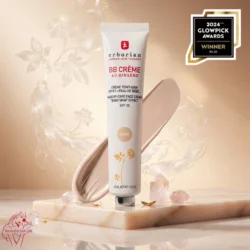
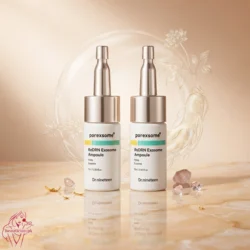
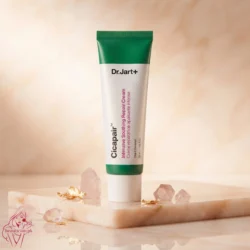
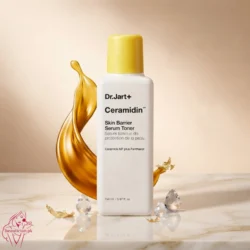
Choosing a formula is easier when you see the options grouped by purpose. This table highlights products that suit different comfort levels. Check each product page for the full ingredient list before buying.
In short, if you want the lowest-risk path, start with a bakuchiol serum. If you want to experiment with retinol, pick a low strength with soothing ingredients. Always check the ingredient list and run that patch test.
✅ Common Mistakes to Avoid
Most “retinol didn’t work for me” stories come down to a few avoidable errors. Here is what to watch for:
Starting with a high strength because “more is better”
Skipping moisturizer or sunscreen
Layering retinol with strong acids or scrubs
Judging results after two weeks instead of eight to twelve
Using products that contain fragrance or alcohol on reactive skin
Which is better for sensitive skin, retinol or bakuchiol?
For most people with sensitive skin, bakuchiol is the better starting point because it is far less likely to cause redness, dryness or peeling. Retinol can still work if you use a low strength, build up slowly and support your barrier.
Is bakuchiol really as good as retinol?
Early clinical research found similar improvements in wrinkles and pigmentation after 12 weeks, with less irritation from bakuchiol. However, studies are small, and retinol still has far more long-term evidence.
Can I use bakuchiol every day?
Yes. Most bakuchiol products are designed for daily use, morning, night or both. Start slowly if your skin is very reactive and always patch test first.
Can I use bakuchiol and retinol together?
Some formulas combine both, and many people tolerate this well. If you are using separate products, introduce one at a time so you can spot any reaction.
Is bakuchiol safe during pregnancy?
Bakuchiol is not a retinoid, but there is not enough strong data to call it proven safe in pregnancy. Check with your doctor before using it. Retinol is generally avoided.
Does bakuchiol cause redness or dryness?
It is usually well tolerated, but a small number of people can still react. Mild dryness or an allergic reaction is possible, so do a patch test and stop use if irritation appears.
How long does bakuchiol take to show results?
Most people notice subtle improvements in tone and texture within 8 to 12 weeks of consistent use. Visible changes in fine lines may take longer.
🌟 Final Verdict: Which One Should You Pick?
When it comes to retinol vs bakuchiol for sensitive skin, the safer bet is bakuchiol for the majority of people. It offers a gentle route to smoother, firmer-looking skin without the usual adjustment pains. Retinol remains a powerful, proven option, but it demands patience, low strengths and a solid barrier routine.
So, is bakuchiol safer than retinol? For sensitive, redness-prone or beginner skin, generally yes. For resilient skin with stubborn concerns, retinol may still earn its place when introduced carefully. Whatever you choose, remember the three golden rules: patch test, go slow and wear sunscreen.
Your skin does not need to suffer to improve. Ready to start? Explore our aging skin collection for gentle formulas, or browse the full range of moisturizers to support your barrier. Pick one active, stay consistent for three months and let your skin show you the difference.
Disclaimer: This article is for general education and does not replace personal medical advice. If you have rosacea, eczema, severe acne, are pregnant or are breastfeeding, please consult a dermatologist before starting a new active.