How to Repair Skin Barrier: The Complete Guide for Pakistani Skin
If your face stings after applying a product you once loved, feels tight by noon, or flares up red for no clear reason, your skin is asking for help. Learning how to repair skin barrier damage is the single most useful skill in skincare. When the barrier is healthy, skin feels calm, soft and bouncy. When it is damaged, even gentle products feel like too much.
This guide is written for Pakistani skin and Pakistani weather. We deal with scorching summers, dusty air, hard water, strong AC and dry winter heaters. All of these can quietly wear your barrier down. Below, we cover what the barrier is, how to spot damage, what causes it, and exactly how to rebuild it, step by step, with product examples.
🧱 What Is a Skin Barrier?
Your skin barrier is the outermost layer of your skin, called the stratum corneum. Dermatologists often use a “brick and mortar” picture. The skin cells are the bricks. The mortar between them is a mix of ceramides, fatty acids and cholesterol. Together they form a moisture barrier that keeps water in and irritants, pollution and bacteria out.
When this wall is intact, your skin holds hydration well. When it cracks, water escapes faster. This is called transepidermal water loss (TEWL). At the same time, irritants slip in easily. That is why a damaged barrier causes both dryness and sensitivity.
The barrier also depends on a slightly acidic surface layer known as the acid mantle. Healthy skin sits around pH 4.5 to 5.5. Harsh, high-pH cleansers push this balance off, which weakens the barrier further. That is the reason a low pH cleanser matters so much in a repair routine.
🚨 Signs of a Damaged Skin Barrier
How do you know if your skin barrier is damaged? The signs are easy to miss because they look like “bad skin” in general. Here are the most common damaged skin barrier symptoms:
Tightness, flaking or rough patches, even right after moisturizing
Skin sensitivity and redness, especially on cheeks and around the nose
Stinging or burning when you apply basic products like toner or serum
Sudden breakouts, small bumps or clogged texture on skin that was clear before
Skin that looks shiny but feels dry underneath, a classic sign of dehydrated skin
Here is a practical example. Imagine you started a strong exfoliating toner and a new serum in the same week. By day five, your cheeks feel hot, your moisturizer stings and your forehead looks oily and flaky at the same time. That is not “purging.” That is barrier damage, and it needs a different response. If you are unsure which one you are dealing with, our guide on skin purging explained helps you tell the difference. You can also read why skin breaks out after starting Korean skincare.
Can Oily Skin Have a Damaged Barrier?
Yes, and this surprises many people. Oily skin can be damaged and dehydrated at the same time. When you strip oil aggressively with foaming washes, clay masks and acids, your skin may produce even more oil to compensate. The result is shine, breakouts and tightness together. If this sounds familiar, our oily and dehydrated skin guide explains how to balance both.
🌡️ What Causes a Damaged Skin Barrier?
Skin barrier damage causes fall into two groups: what we do to our skin, and what the environment does to it. Most people face a mix of both.
Habits That Weaken the Barrier
Over-exfoliation is the number one culprit. Using AHA, BHA, scrubs and peeling gels too often, or layering them together, thins the protective layer. Other common causes include harsh high-pH cleansers, hot water, too many new actives at once, skipping moisturizer and skipping sunscreen. Over-washing the face, especially in summer, also takes a toll.
How Pakistani Weather Affects the Skin Barrier
Our climate puts the barrier under constant pressure. In summer, intense UV, sweat and humidity push people to over-cleanse and over-exfoliate. In winter, dry air and indoor heating pull moisture out of the skin. Air conditioners do the same in offices and homes all year. Dust and pollution in big cities add an extra layer of stress.
This is why skin barrier repair in Pakistan needs two things: gentle cleansing and strong daily protection. Sunscreen is not optional. UV exposure keeps the barrier inflamed and slows healing. Read why sunscreen matters every day in Pakistan for the full picture.
🛠️ How to Repair Skin Barrier: Step by Step
The good news is that the barrier heals well when you give it the right conditions. The approach is simple: remove the irritants, add hydration, add barrier lipids, and protect. Let’s walk through it.
Step 1: Pause Your Actives
Should you stop actives to repair your skin barrier? Yes, for a short time. Stop retinol, strong vitamin C, AHA, BHA, scrubs and peeling gels. Think of it as putting a cast on a broken arm. Your skin cannot heal while you keep irritating it. Most people need to pause for two to four weeks, depending on severity.
Step 2: Switch to a Gentle, Low pH Cleanser
Cleanse once or twice a day with lukewarm water and a mild, low pH formula. A good example is the COSRX Low pH Good Morning Gel Cleanser. If you wear sunscreen or makeup, you still need a gentle first cleanse. Our double cleanse guide shows how to do it without stripping your skin. You can explore more options in our cleansers collection.
This is the most important step. A moisturizer with ceramides, cholesterol and fatty acids gives your skin the “mortar” it is missing. Apply it generously, morning and night. We cover specific options in the product section below.
So, what ingredients repair the skin barrier? You do not need a long list. A few proven ones do most of the work.
Ceramides are the star. They are lipids your skin naturally makes, and topical ceramides help refill the gaps. Cholesterol and fatty acids work alongside them, which is why the best barrier creams combine all three. Panthenol soothes redness and supports healing. Centella asiatica calms inflammation and is a favorite in Korean skincare. Hyaluronic acid pulls water into the skin. Squalane softens and seals without feeling heavy.
Is Niacinamide Good for Skin Barrier Repair?
Yes, in moderation. Niacinamide supports ceramide production and helps with redness and oil balance. However, a very high percentage can sting on freshly damaged skin. During repair, choose products with a lower niacinamide level or add it back slowly once your skin feels calm. For more detail, read our niacinamide guide for Pakistani skin. If you want a deeper look at what experts trust, see our list of dermatologist-recommended Korean skincare ingredients.
🕒 How Long Does It Take to Repair the Skin Barrier?
Patience matters here. A mild barrier problem often improves in two to four weeks. Moderate damage can take four to six weeks. Severe, long-standing damage may take two to three months, and sometimes longer if you keep going back to harsh habits.
Your skin cells renew roughly every four weeks, so the barrier needs at least one full cycle to rebuild. You will usually notice stinging fade first. Then tightness eases, and redness settles. Smooth, even texture comes last.
So, how do you fix a damaged skin barrier fast? There is no overnight cure, but you can speed things up by being strict. Use fewer products, skip all exfoliation, moisturize more often and wear sunscreen daily. Doing less is the fastest route.
📋 Best Skin Barrier Routine for Beginners in Pakistan
A skin barrier repair routine should be short and boring, and that is a good thing. Here is a simple plan you can follow for the first four weeks.
Step
Morning
Night
1. Cleanse
Rinse with water or a gentle low pH cleanser
Gentle low pH cleanser (double cleanse only if wearing sunscreen or makeup)
In practice, this means a typical morning takes about three minutes. You rinse, pat on toner, press in a serum, smooth on cream and finish with sunscreen. It is simple enough to stick with, which is exactly why it works.
💧 Skin Barrier Repair for Oily Skin and Dry Skin
The same principles apply to every skin type, but the textures should change.
Dry skin needs richer creams and a layered approach. Apply hydrating essence first, then a ceramide cream, and use a thin layer of cream again at night if needed. Avoid hot showers and very foamy cleansers. Our Korean morning routine for dry skin has a ready-made plan.
⚗️ Using Retinol, Vitamin C and Exfoliants Safely
This is where many people slip. Can you use retinol with a damaged skin barrier? Not while the damage is active. Retinol speeds up cell turnover and can make irritation worse. The same goes for strong vitamin C. Wait until your skin no longer stings and redness has settled for at least two weeks.
When you restart, go slowly. Begin with a gentle option such as the COSRX Retinol 0.1 Cream once or twice a week, applied after moisturizer if your skin is sensitive. Add one active at a time, never two. If you are unsure how to order your actives, read niacinamide vs vitamin C: which goes first.
How to Repair Your Skin Barrier After Over-Exfoliating
If you have over-exfoliated, treat it like a mini emergency. Stop all acids and scrubs immediately. Switch to the minimal routine above. Use a thicker ceramide cream at night. Avoid new products for at least two weeks. Keep your hands off your face, and do not pick at flaking skin. Most people see a clear improvement within two to three weeks.
Why Is My Skin Stinging After Applying Skincare?
Stinging usually means the barrier cannot hold a product’s ingredients back from nerve endings. It can also come from active ingredients, fragrance or a product that is too strong for your current state. Stop the product, simplify your routine and focus on calming first. If stinging continues for more than a week despite a basic routine, see a dermatologist. Our Korean skincare for eczema guide also lists gentle options for very reactive skin.
🛍️ Best Skin Barrier Repair Products in Pakistan
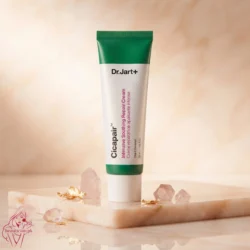
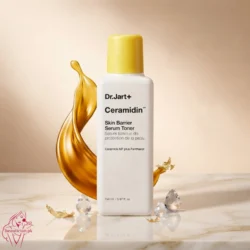
Now to the part many readers want: the best skin barrier repair cream in Pakistan and other Korean skin barrier products. All of these are available at Beautician.pk. Choose one cream and one serum, not everything at once.
For dry, flaky skin, start with Aestura or Illiyoon. For oily or combination skin, choose Round Lab or a lighter COSRX option. For redness, Anua or Dr. Althea are good places to begin. You can compare more in our moisturizers collection, the Aestura range, Dr. Althea, Illiyoon and Round Lab. If redness is your main worry, browse our redness relief collection too.
Look for tightness, flaking, redness, stinging with basic products and sudden breakouts. If your skin feels both oily and dry, the barrier may be compromised.
How long does it take to heal a skin barrier?
Mild damage improves in two to four weeks. Moderate to severe damage can take six to twelve weeks of consistent, gentle care.
Can I use retinol or vitamin C with a damaged barrier?
Not until the barrier recovers. Pause both, then reintroduce one slowly.
Is niacinamide good for barrier repair?
Yes, in low to moderate amounts. Very high strengths may sting on freshly damaged skin.
Should I stop actives to repair my skin barrier?
Yes. Pause exfoliating acids, retinol and strong vitamin C until your skin feels calm.
Can oily skin have a damaged skin barrier?
Yes. Over-cleansing and over-exfoliating can leave oily skin both greasy and dehydrated.
What is the best skin barrier cream in Pakistan?
It depends on your skin type. Aestura, Illiyoon, Anua and COSRX ceramide creams are strong choices for most people.
💖 Final Thoughts: Calm Skin Starts With a Strong Barrier
Learning how to repair skin barrier damage comes down to one idea: stop fighting your skin and start supporting it. Pause the actives. Cleanse gently. Hydrate in light layers. Seal with a ceramide cream. Protect every single morning. Give it a month, and the difference is usually dramatic.
Your barrier is also the foundation for everything else you want from skincare, from brightening to anti-aging. Once it is strong, your actives work better and cause less irritation. Do not rush this stage.
Disclaimer: This article is for educational purposes only and is not medical advice. If you have persistent redness, severe stinging, eczema, rosacea or signs of infection, consult a qualified dermatologist.