🌿 Signs of Damaged Skin Barrier: 9 Red Flags You Shouldn’t Ignore (and How to Fix Them)
Does your skin suddenly sting when you apply products that used to feel fine? Is your face red, tight and flaky even though you moisturize? These are classic signs of damaged skin barrier, and they are one of the most common reasons people walk into a salon or message a skincare store in a panic.
The good news is that a compromised skin barrier is fixable. In this guide, you’ll learn what the skin barrier is, how to spot the warning signs, what causes the damage, and how to rebuild your skin with a simple, gentle routine. If you’re new to skincare, our Korean skincare routine for beginners is a helpful companion read.
🧱 What Is the Skin Barrier, and Why Does It Matter?
Your skin barrier is the outermost layer of your skin, called the stratum corneum. Think of it as a brick wall. The “bricks” are skin cells, and the “mortar” holding them together is a mix of ceramides, fatty acids and cholesterol. Together they do two jobs: keep moisture in and keep irritants, bacteria and pollution out.
When this wall is strong, your skin feels soft, calm and comfortable. When it’s weakened, water escapes faster (this is called transepidermal water loss, or TEWL), and irritants slip in easily. That’s when sensitivity, dryness and breakouts begin. The barrier also supports your skin microbiome, the friendly bacteria that keep your skin’s pH balance healthy. When the barrier is damaged, this ecosystem gets disturbed too.
🚨 Signs of Damaged Skin Barrier: How Do I Know If My Skin Barrier Is Damaged?
A damaged barrier rarely shows up as just one symptom. Here are the nine most common damaged skin barrier symptoms, explained in plain language.
1. 🔥 Stinging and Burning After Applying Products
If your usual moisturizer or toner suddenly stings, that’s one of the clearest warnings. A healthy barrier shields nerve endings from ingredients. A weakened one lets them reach sensitive layers, so even gentle products feel sharp. Many people asking “why is my skin stinging after applying products?” are dealing with exactly this.
2. 🌹 Redness and Irritation
Persistent pink or red patches, especially on the cheeks, nose and around the mouth, often point to an impaired skin barrier. The skin is inflamed because it has lost its natural protection. If redness is your main concern, our guide to the best centella products for acne and redness can help you choose calming options.
3. 🏜️ Dry and Flaky Skin
Flaking, rough texture and visible dry patches happen when the barrier can’t hold onto water. You may notice makeup clinging to dry spots or skincare “disappearing” instantly.
4. 😣 Tight Skin That Feels Uncomfortable
That “shrink-wrapped” feeling, especially after cleansing, means your skin is losing moisture too quickly. Tightness that doesn’t ease after moisturizing is a strong clue.
5. 💧 Oily and Dehydrated at the Same Time
Surprisingly, oily skin can have a damaged barrier. When the skin loses water, it may produce more oil to compensate. You end up shiny but tight and uncomfortable. If this sounds like you, read our guide to oily, dehydrated skin.
6. 🔴 Sudden Acne Breakouts
Does a damaged skin barrier cause breakouts? It can. A weakened barrier lets bacteria and irritants in more easily, which can trigger inflammation and new pimples. Don’t confuse this with skincare purging, which has a different pattern. We explain the difference in why your skin is purging and why skin breaks out after starting Korean skincare.
7. 🤧 Sudden Sensitivity
If your skin is suddenly reactive to products, weather or even water temperature, the barrier is likely compromised. People often ask, “why is my skin suddenly sensitive and red?” The answer is usually barrier damage from over-treating the skin.
8. 🩹 Itchy, Rough or Eczema-Like Patches
Itching, rough patches and rashes can show up when the barrier is very weak. Skin conditions such as eczema and dermatitis are also linked to barrier problems. If you have a diagnosed condition, check our guide on Korean skincare for eczema and speak to a doctor.
9. 🌞 Easily Sunburned or Sun-Sensitive Skin
A weak barrier makes skin more reactive to sunlight, so you may redden or burn faster than usual.
📊 Quick Reference: Symptom vs. What It Usually Means
Symptom
What It Often Signals
First Step
Stinging when applying products
Weak barrier, exposed nerve endings
Pause actives, use a simple moisturizer
Redness and flushing
Inflammation
Use calming, fragrance-free products
Flaking and tightness
High water loss (TEWL)
Add ceramide-rich moisturizer
Oily but tight
Dehydration with overcompensation
Hydrate, don’t strip
New breakouts
Barrier disruption or irritation
Simplify routine, avoid harsh scrubs
🔍 Skin Barrier Damage Causes: What Weakens Your Skin?
Understanding skin barrier damage causes helps you avoid repeating the mistake. Here are the most common culprits.
Over-exfoliation is the number one cause. Can over-exfoliating damage your skin barrier? Absolutely. Using AHA and BHA products too often, scrubbing with rough scrubs, or layering several acids can strip away the protective layer faster than your skin can rebuild it. If you use exfoliating toners or peels, keep them occasional.
Harsh cleansers are another big one. Foaming washes with a high pH can leave skin squeaky but stripped. A gentle, low-pH cleanser protects your skin’s natural pH. The COSRX Low pH Good Morning Gel Cleanser review is a good example of a mild option worth reading about.
Overusing active ingredients can also hurt. Retinol irritation is very common when people start too strong or use it too often. Is retinol bad for a damaged skin barrier? Not forever, but it’s best to pause it while your skin is inflamed and reintroduce it slowly later. The same goes for strong vitamin C or too many actives together. If you’re unsure how to combine them, see niacinamide vs vitamin C: which first?
Environmental factors matter too. Pakistan’s intense summer sun, pollution, dry winter air, air conditioning and hot showers all take moisture from the skin. Skipping daily sun protection adds to the damage, so read why you should wear sunscreen in Pakistan every day.
Finally, too many products too fast, over-cleansing and aggressive double cleansing can overload skin. Double cleansing is fine when done gently (see how to double cleanse the Korean way), but twice a day with strong products is too much for a stressed barrier.
🛠️ How to Fix a Damaged Skin Barrier: Step-by-Step
So, how do you heal a damaged skin barrier fast? There is no overnight miracle, but the approach is simple: stop the damage, soothe the skin, then rebuild it.
Step 1: Simplify Your Routine
For the first one to two weeks, strip your routine back to the basics: a gentle cleanser, a barrier-supporting moisturizer and sunscreen in the morning. Pause exfoliating acids, retinol, strong vitamin C and scrubs. This is the single most effective step in any skin barrier repair routine.
Step 2: Switch to a Gentle Cleanser
Choose a gentle cleanser that doesn’t leave your face tight. If you wear makeup or sunscreen, a mild cleansing oil or balm in the evening followed by a soft cleanser is enough. Browse mild options in our cleansers collection. Cleanse once at night and just rinse or use a light cleanse in the morning if your skin is very irritated.
Step 3: Hydrate Before You Moisturize
Apply a soothing, fragrance-free toner or essence on slightly damp skin. Patting works better than wiping when skin is sensitive, as explained in how to use a toner correctly. Look for hyaluronic acid, panthenol and centella, which attract and soothe without irritating.
Step 4: Rebuild with a Barrier Cream
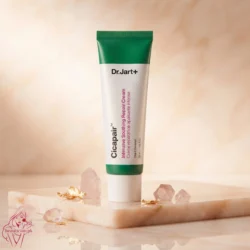
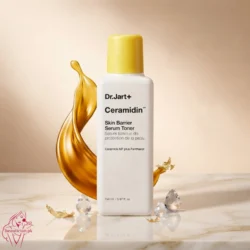
This is the heart of the process. Look for a moisturizer containing ceramides, fatty acids, cholesterol and soothing ingredients. Our moisturizers collection has many options. A few barrier-focused favorites include:
Once your skin starts to calm, a light serum can help. The Anua 7 Rice Ceramide Hydrating Barrier Serum combines hydration with ceramides. Niacinamide also supports the barrier and helps with redness when used at a gentle strength. Learn more in what niacinamide does for Pakistani skin. Introduce one product at a time, so you can tell what suits you.
🚫 What Should I Avoid With a Damaged Skin Barrier?
While your skin heals, steer clear of strong acids (AHA/BHA/PHA), physical scrubs, retinol, high-strength vitamin C, alcohol-heavy toners, heavily fragranced products and very hot water. Also avoid peel-off masks, derma rollers and clay masks until your skin feels calm. Can you use vitamin C with a damaged barrier? It’s best to wait. Reintroduce a gentle, low-strength version after your skin has been comfortable for a couple of weeks, and patch test first.
Choose fragrance-free skincare where possible, since fragrance is a common trigger for sensitive skin.
🧴 Skin Barrier Repair for Different Skin Types
Skin barrier repair for oily skin: Oily skin still needs moisture. Use a light gel-cream with ceramides and niacinamide, and avoid heavy scrubbing to “control” oil. Our complete oily skin guide walks you through it.
Skin barrier repair for acne-prone skin: Keep treatments minimal. Pause strong acne actives during the repair phase, use a calming cream and focus on gentle cleansing. Read the best COSRX products for acne-prone skin when you’re ready to rebuild your routine.
Dry or sensitive skin: Layer hydration and a richer ceramide cream, and consider a soothing night mask once your skin tolerates it.
⏳ How Long Does It Take to Repair the Skin Barrier?
This is the question everyone asks. Mild damage often starts feeling better within about two to four weeks of a gentle routine, while more severe damage can take longer. Skin renews itself in cycles, so patience matters. Signs you’re improving include less stinging, softer texture, calmer redness and products feeling comfortable again.
If your skin isn’t improving after several weeks, or you have severe pain, swelling, oozing or a persistent rash, please see a dermatologist. Barrier damage can overlap with conditions that need medical care.
🌱 How to Rebuild Skin Barrier Naturally (Daily Habits)
Beyond products, small habits make a real difference. Wash your face with lukewarm water instead of hot water, and pat dry with a clean, soft towel. Moisturize right after washing while skin is slightly damp. Drink enough water, eat foods rich in healthy fats such as nuts, seeds and fish, and get enough sleep. Avoid picking at flaky or irritated skin. Try not to change products too often, since constant switching keeps your skin guessing. Also be careful where you buy: counterfeit products can contain unknown irritants, so use our guide on how to spot fake Korean skincare in Pakistan.
✅ A Simple Barrier Repair Routine for Beginners
Morning: gentle rinse or mild cleanse → hydrating toner or essence → ceramide moisturizer → sunscreen.
Evening: gentle cleanser (oil or balm first if you wore sunscreen or makeup) → hydrating toner or serum → barrier cream.
That’s it. Keep this for at least two weeks before adding anything new. Add one new product at a time, and wait several days between additions.
💬 Final Thoughts
The signs of damaged skin barrier (stinging, redness, tightness, flaking, sudden breakouts and sensitivity) are your skin’s way of asking for a break. The fix isn’t more products. It’s fewer, gentler ones, plus consistency, patience and daily sun protection.
Start by simplifying your routine, choose a ceramide-rich moisturizer, and give your skin time to recover. Once it feels calm and comfortable, you can slowly bring actives back.
Common signs include stinging or burning after applying products, redness, dry and flaky skin, tightness, sudden sensitivity, itchiness and unexpected breakouts.
Can over-exfoliating damage your skin barrier?
Yes. Using AHA, BHA or scrubs too often removes protective lipids and weakens the barrier. Cut back to once or twice a week, or pause exfoliation entirely while your skin heals.
How long does it take to repair the skin barrier?
Mild damage may improve in around two to four weeks with a gentle routine, while severe cases can take longer. If there’s no improvement, consult a dermatologist.
What is the best moisturizer for a damaged skin barrier?
Look for a fragrance-free moisturizer with ceramides, panthenol, hyaluronic acid and soothing ingredients like centella. Options include the Anua 3 Ceramide Panthenol Barrier Cream and COSRX Balancium Comfort Ceramide Cream.
Is retinol bad for a damaged skin barrier?
Retinol can worsen irritation on a compromised barrier. Pause it until your skin is calm, then reintroduce it slowly at a low strength.
Can I use vitamin C with a damaged skin barrier?
It’s best to wait until stinging and redness have settled. Then try a gentle, low-strength formula and patch test first.
Does a damaged skin barrier cause breakouts?
It can. A weakened barrier is more vulnerable to bacteria and irritation, which may trigger acne-like breakouts. Simplify your routine and avoid harsh acne treatments while healing.