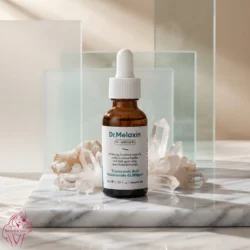
How to Treat Acne with Korean Skincare — Step-by-Step Guide for Clear, Healthy Skin
If you’ve ever stood in front of the mirror wondering why your breakouts just won’t budge no matter what you try, you’re not alone — and the good news is there’s a gentler, smarter way forward. Korean skincare for acne isn’t about harsh scrubbing or stripping your face with alcohol-based products. It’s about calming inflammation, controlling oil, and repairing your skin barrier so breakouts stop returning in the first place. If you’ve been searching for how to treat acne with Korean skincare, this guide walks you through a real, practical, step-by-step routine that actually works for Pakistani skin and weather conditions too.
Below, we’ll break down the philosophy behind K-beauty, the exact order of products you should use, and which ingredients genuinely make a difference for acne-prone skin — without turning your face into a chemistry experiment.
🌿 Why Korean Skincare Works So Well for Acne-Prone Skin
The K-beauty philosophy is built on one simple idea: healthy skin barrier first, everything else second. Instead of attacking acne with aggressive drying agents, Korean skincare for acne-prone skin focuses on hydration, gentle exfoliation, and soothing ingredients that calm redness while regulating sebum production.
This matters because most acne breakouts aren’t just about excess oil — they’re about a damaged or imbalanced skin barrier that overproduces sebum to protect itself. When you dry out your skin with harsh products, you actually trigger more oil production, not less. That’s why a Korean skincare routine for acne layers lightweight, hydrating products instead of relying on one aggressive treatment.
If you’re just getting started with K-beauty in general, our guide on the korean skincare routine for beginners is a great companion read before diving into acne-specific steps.
🧴 Understanding Your Acne Before You Start
Before jumping into products, it helps to understand what causes acne breakouts in the first place. Acne typically stems from a mix of clogged pores, excess sebum, bacteria (P. acnes), and inflammation. Hormonal changes, humidity, pollution, and even the wrong moisturizer can make things worse.
This is exactly why so many people notice why their skin is breaking out after starting Korean skincare — often it’s not the routine itself but using too many active ingredients too soon, or skipping the “purging” phase where your skin adjusts to new actives. If this sounds familiar, our detailed explainer on skin purging in Korean skincare will help you tell the difference between purging and a genuine bad reaction.
Once you understand your skin type — oily, combination, or sensitive-acne-prone — the following step-by-step routine becomes much easier to customize.
🧼 Step 1: Double Cleansing — The Korean Skincare Foundation
Every solid Korean skincare routine for acne begins with the double cleansing method. This two-step process starts with an oil-based cleanser that dissolves sunscreen, sebum, and makeup, followed by a water-based cleanser that removes any remaining impurities and sweat.
For acne-prone skin, look for an oil cleanser for acne that’s non-comedogenic and lightweight — heavy, waxy oils can clog pores further. A great option is the Heimish All Clean Balm, which melts away buildup without leaving residue.
Follow this with a gentle, low-pH foam or gel cleanser. The COSRX Low pH Good Morning Gel Cleanser is a cult favorite because it cleans thoroughly without disturbing your skin’s natural acid mantle — something traditional soap-based cleansers often destroy. You can read our full breakdown in the COSRX Low pH Gel Cleanser review if you want more detail on why pH balance matters so much for breakouts.
💧 Step 2: Exfoliation with BHA/AHA — Unclog Without Stripping
This is where BHA/AHA exfoliation in Korean skincare comes in, and it’s arguably the single most important step for acne-prone skin. BHA (salicylic acid) is oil-soluble, meaning it can actually penetrate into clogged pores and dissolve the gunk causing whiteheads and blackheads. AHA works more on the skin’s surface, helping with texture and dullness.
You don’t need to exfoliate daily — two to three times a week is plenty for most people. The COSRX BHA Blackhead Power Liquid is one of the most trusted options in K-beauty for this exact purpose, and it’s gentle enough for most sensitive-acne combinations.
Start with a low concentration (1-2%) two to three times weekly
Always apply on completely dry skin for BHA to work effectively
Never combine BHA with retinol or vitamin C in the same routine step
🌾 Step 3: Toning — Balance and Prep Your Skin
A Korean toner for acne isn’t just an optional extra splash of water — it’s a hydrating, pH-balancing layer that preps your skin to absorb everything that comes after it. This is very different from Western “astringent” toners loaded with alcohol.
For acne-prone skin, the COSRX AHA/BHA Clarifying Treatment Toner offers gentle exfoliation and pore-tightening benefits in liquid form. If your skin leans more sensitive or reactive, the Anua Heartleaf 77% Soothing Toner calms redness while still balancing oil production — a solid pick if breakouts come with a lot of inflammation.
You’ll also want to master the application technique itself. Believe it or not, patting versus wiping a toner changes how well it absorbs — our guide on how to use a toner correctly covers this in more detail.
🩹 Step 4: Treatment Serums & Ampoules for Acne
This is the step where Korean acne treatment routines really shine, because K-beauty offers highly targeted ampoules for acne that address blemishes, redness, and future scarring all at once.
Niacinamide is the star ingredient here — it reduces sebum production, calms inflammation, and gradually fades post-acne marks. The COSRX The Niacinamide 15% Serum is a strong, affordable choice, while Some By Mi Yuja Niacin 30 Days Blemish Care Serum combines niacinamide with brightening yuja extract for a dual-action effect on both current breakouts and lingering dark spots.
If you’re dealing with active, inflamed pimples, spot patches are a K-beauty essential — the COSRX Acne Pimple Master Patch draws out fluid overnight and protects the area from bacteria and picking, which honestly speeds up healing more than most serums alone.
Not sure whether to layer niacinamide before or after vitamin C? This comparison on niacinamide vs vitamin C — which goes first clears up the confusion in a few simple rules.
🍃 Step 5: Hydration — Essence and Moisturizer
Here’s where a lot of people sabotage their own progress: skipping moisturizer because their skin already feels oily. This is a mistake. A proper hydrating essence followed by a lightweight, non-comedogenic Korean moisturizer actually helps regulate oil production rather than adding to it.
Look for gel-based, oil-free formulas from the moisturizers category, and pair it with a centella-based essence for extra calming benefits. The Skin1004 Madagascar Centella Ampoule is a fan favorite precisely because centella asiatica reduces redness while still hydrating deeply — a combination that’s hard to find elsewhere.
🐌 Step 6: Repair with Snail Mucin & Cica
Snail mucin for acne might sound unusual, but it’s one of K-beauty’s most effective ingredients for repairing damaged, acne-prone skin. It supports skin barrier repair, reduces inflammation, and even helps fade acne scars over time by encouraging cell turnover.
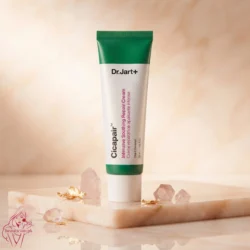
The COSRX Advanced Snail 96 Mucin Power Essence has become something of a K-beauty icon for this exact reason, and you can read a full breakdown in our COSRX Snail Mucin Essence review. Meanwhile, Cica cream — short for centella asiatica cream — works beautifully as a calming night treatment, especially for skin that’s irritated from active ingredients.
☀️ Step 7: Sunscreen — Non-Negotiable for Acne Scars
If there’s one step people skip that they absolutely shouldn’t, it’s sunscreen. Sun exposure darkens post-acne marks and makes Korean skincare for acne scars far less effective, no matter how many brightening serums you use. A Korean sunscreen for acne skin should be lightweight, non-comedogenic, and preferably matte-finish.
📋 The Complete 10-Step Korean Skincare Routine for Acne
Here’s a quick-reference table showing the full 10 step Korean skincare for acne sequence, from cleansing to sun protection.
Step
Product Type
Purpose for Acne-Prone Skin
1
Oil Cleanser
Removes sebum, sunscreen & makeup gently
2
Water-Based Cleanser
Deep cleans without stripping the barrier
3
BHA/AHA Exfoliant
Unclogs pores, smooths texture (2–3x/week)
4
Toner
Balances pH and preps for absorption
5
Treatment Serum/Ampoule
Targets acne, oil, and inflammation
6
Spot Patch
Heals active blemishes overnight
7
Essence
Adds hydration layer for barrier support
8
Moisturizer
Locks in hydration, regulates sebum
9
Cica/Snail Repair Cream
Soothes irritation, supports scar healing
10
Sunscreen (AM only)
Prevents dark spot worsening, protects skin
Following this order consistently — even if you skip a couple of optional steps on busy days — gives you a genuinely clear skin routine that addresses acne from multiple angles rather than relying on a single miracle product.
🛍️ Best Korean Products for Acne
If you want a simplified shortlist instead of building the full 10-step routine from scratch, here are some proven best Korean products for acne worth trying first:
⚠️ Common Mistakes When Treating Acne with K-Beauty
Even with the best products, a few common missteps can quietly sabotage your progress. Layering too many actives at once — like combining retinol, AHA, and vitamin C in a single routine — often triggers irritation rather than clearer skin. Skipping sunscreen is another frequent error that undoes months of scar-fading work in a matter of weeks.
It’s also worth remembering that acne prevention tips work best when applied consistently for at least 6–8 weeks before judging results. Korean skincare tends to work gradually rather than overnight, which is exactly why it’s so effective long-term — it’s building genuine skin health, not just masking symptoms temporarily.
💬 Frequently Asked Questions
Q1: How long does Korean skincare take to clear acne? Most people notice visible improvement within 4–6 weeks of consistent use, though full scar fading and texture repair can take 2–3 months depending on severity.
Q2: Can I use snail mucin if I have active acne? Yes — snail mucin is non-comedogenic and actually supports healing for active breakouts while calming inflammation.
Q3: Should I skip moisturizer if my skin is oily and acne-prone? No. Skipping moisturizer often increases oil production as your skin tries to compensate for dehydration, worsening breakouts over time.
Q4: What’s the best Korean sunscreen for acne-prone skin? Look for lightweight, matte-finish, non-comedogenic formulas like COSRX Vitamin E Sunscreen SPF50.
Q5: Is purging different from breaking out? Yes — purging typically resolves within 4–6 weeks and appears in areas you already break out, while a bad reaction causes new irritation, itching, or redness in unusual areas.
✨ Final Thoughts
Treating acne with Korean skincare isn’t about chasing the newest viral product — it’s about respecting your skin’s barrier, using the right actives in the right order, and staying consistent long enough to see real results. This step-by-step approach, from double cleansing to daily sunscreen, gives your skin everything it needs to heal itself naturally over time.
Start building your personalized routine today — explore the full range of acne-prone skin products and blemish and scar treatments available at Beautician.pk, and take the first real step toward clearer, calmer skin.