Korean Skincare for Body: Why K-Beauty Isn’t Just About Your Face Anymore
If you’ve spent any time exploring K-beauty, you already know Koreans treat their faces like precious canvases — ten-step routines, glass skin goals, and ingredient science that rivals a dermatology lab. But here’s the part most people miss: Korean skincare for body follows the exact same philosophy, just applied from the neck down. In Korea, the idea that your body deserves less attention than your face simply doesn’t exist. Smooth heels, bright elbows, and soft, glowing skin all the way to your toes are part of the same beauty standard — and honestly, it’s a standard worth borrowing.
This guide walks you through why K-beauty extends so naturally to body care, how to build a proper Korean body skincare routine, which ingredients actually deliver results, and which products (yes, real ones) can help you get there without overcomplicating your shelf.
🌸 Why Your Body Deserves the Same K-Beauty Love as Your Face
Here’s a simple truth: your body skin is thinner in some places, thicker in others, and constantly exposed to friction, sun, and dryness — arguably more than your face. Yet most people slap on a generic lotion and call it done. K-beauty body care rejects that shortcut entirely.
The Korean approach treats the body as an extension of the same skin ecosystem as the face. That means the same attention to barrier repair, brightening, and hydration that shows up in a Korean face routine also shows up in body products — just in richer textures and larger formats. This is where the term body glass skin comes from: skin so hydrated, smooth, and luminous that it reflects light evenly, no dullness, no rough patches, no visible dryness lines.
For Pakistani skin especially — which deals with intense sun exposure, hard water, and seasonal humidity swings — this whole-body mindset makes a real difference. If you’ve already explored a Korean skincare routine for your face, extending similar principles to your body isn’t a stretch. It’s simply consistency.
🚿 The Korean Body Skincare Routine: Step by Step
A proper Korean body skincare routine isn’t about adding ten new steps to your shower. It’s about sequencing the right actions so each product actually works instead of sitting on top of the last one. Think of it as a simplified, body-sized version of the famous Korean face routine — cleanse, treat, hydrate, protect.
The process usually starts with a gentle double cleansing for body approach on days when you’ve worn sunscreen, sweat heavily, or used makeup on your neck and chest. A light oil or balm cleanser lifts away sunscreen and sebum first, followed by a low-pH body wash that won’t strip your skin barrier. From there, exfoliation — done once or twice a week, never daily — removes the buildup of dead skin that causes that rough, ashy texture on elbows, knees, and heels. After exfoliating, the skin is primed to actually absorb hydrating serums and creams, rather than have them sit uselessly on the surface.
Here’s how the full sequence typically breaks down:
Step
Purpose
Frequency
Oil/Balm Cleanse
Removes sunscreen, sweat, buildup
Daily (evenings)
Gentle Body Wash
Cleanses without stripping barrier
Daily
Body Exfoliation
Smooths rough texture, boosts glow
1–2x weekly
Hydrating Serum/Essence
Delivers active ingredients deep into skin
Daily
Body Lotion/Cream
Locks in moisture, repairs barrier
Daily (morning & night)
Sunscreen for Exposed Areas
Protects against UV damage & dark spots
Daily
This isn’t a rigid checklist you must follow to the letter — it’s a framework. Even doing the cleanse-hydrate-protect trio consistently puts you ahead of 90% of typical body care habits.
🍚 K-Beauty Ingredients That Actually Work on Body Skin
What makes Korean body products different isn’t packaging — it’s formulation. The same star ingredients that made K-beauty famous for faces are increasingly showing up in body lotions, washes, and treatments, and for good reason.
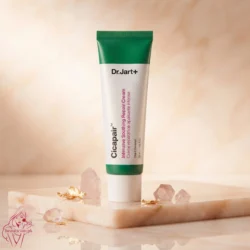
Snail mucin, long celebrated in facial serums for repair and hydration, is now appearing in snail mucin body lotion formats because it soothes irritation from shaving, waxing, or sun exposure while reinforcing the skin barrier. Centella asiatica, the calming hero behind countless Korean serums, works just as well in a Centella body cream for anyone dealing with redness, bumps, or sensitive patches on arms and legs — something the Centella-based moisturizers category covers well if you want options.
Then there’s niacinamide, arguably the most versatile ingredient in modern skincare. In body formulas, a niacinamide body lotion helps fade uneven tone from friction (think underarms, knees, elbows) while strengthening the skin barrier at the same time. If you’re curious about how this ingredient works beneath the surface, this breakdown of niacinamide benefits explains the science in plain language.
A few more ingredients worth knowing:
Ginseng — supports circulation and gives a subtle radiance boost, often used in ginseng body care oils and essences.
Rice water extract — a traditional brightening ingredient, now common in rice water body wash formulas for gentle exfoliation and glow.
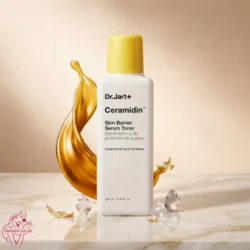
Ceramides — the barrier-repair backbone found in products like body-safe moisturizing lotions, essential for anyone dealing with dryness or eczema-prone skin.
None of these ingredients need to be used all at once. Even rotating one or two into your existing routine noticeably changes how your skin looks and feels within a few weeks.
✨ Practical Examples: Real K-Beauty Body Care in Action
Theory is great, but let’s make this tangible. Say you’ve got dry, flaky patches on your arms and slightly discolored elbows from years of resting them on desks. A realistic routine would look like this: gentle body wash in the shower, a light physical exfoliation with a soft scrub twice a week focused on elbows and knees, followed by a Centella body cream or ceramide-rich lotion applied while skin is still damp — this is when absorption is highest.
Another common scenario: sweaty, humid weather causing body breakouts on the back and chest (often called “bacne”). Here, a Korean body wash containing salicylic acid or tea tree extract, paired with a lightweight, non-comedogenic lotion, keeps skin clear without over-drying it. This is essentially the same logic used in anti-aging body care Korean style routines — treat the problem area specifically rather than applying one product everywhere.
And for anyone chasing that full body glass skin routine before an event like a wedding or Eid gathering, the trick isn’t a miracle product — it’s consistent exfoliation plus deep hydration for at least two to three weeks beforehand, finished with a hydrating body mist Korean brands love for that final dewy sheen.
🛍️ Building Your Body Care Shelf: Where to Start
You don’t need fifteen products to start a Korean body skincare routine. A focused shelf of three to five reliable pieces will get you further than a cluttered one. If you’re just getting started, prioritize a gentle cleanser, one hydrating lotion, and sun protection for exposed skin — everything else can be added gradually as you learn what your skin actually needs.
If you’d rather browse the full range and compare textures, formulas, and price points side by side, the Korean skincare shop is a good place to start exploring what fits your routine and budget.
🌿 Common Mistakes Pakistani Users Make With Body Skincare
A few habits quietly undo all the good work a solid routine could otherwise deliver.
The biggest one is skipping sunscreen on the body entirely. People diligently apply SPF to their face and forget hands, neck, and arms are exposed just as much — sometimes more — leading to visible tanning lines and premature dark spots. If sun protection for your face is already a habit, extending it to exposed body areas closes that gap; this guide on Korean sunscreens covers formulas light enough for daily body use too.
The second mistake is over-exfoliating. Rough elbows and knees tempt people into scrubbing daily, which actually damages the skin barrier further and causes more dryness, not less. Twice a week is the sweet spot for most skin types.
Lastly, many people apply body lotion on completely dry skin straight out of a towel-dried shower. Applying it on slightly damp skin locks in far more moisture, which is a small tweak that makes a noticeably bigger difference.
💬 Frequently Asked Questions
Q1: What makes Korean skincare for body different from regular body lotions? K-beauty body products focus on barrier repair, brightening, and hydration using research-backed ingredients like centella, snail mucin, and niacinamide — the same actives used in Korean face care, just formulated for larger, thicker body skin.
Q2: Can I use my Korean face serum on my body? Yes, in small amounts, especially on thinner-skinned areas like the neck and chest. However, dedicated body formulas are usually more cost-effective and textured for larger surface areas.
Q3: How often should I exfoliate my body in a Korean skincare routine? Most K-beauty routines recommend body exfoliation one to two times per week — daily exfoliation tends to weaken the skin barrier rather than improve texture.
Q4: Is Korean sunscreen necessary for body skin too? Absolutely. Sun exposure causes as much pigmentation and premature aging on arms, hands, and neck as it does on the face, making SPF a non-negotiable step for exposed areas.
Q5: What’s the fastest way to get “glass skin” on my body? Consistent exfoliation twice weekly combined with layered hydration (essence, then lotion, then oil if needed) for two to three weeks typically produces visibly smoother, brighter skin.
Final Thoughts
Korean skincare for body isn’t a trend — it’s simply the logical extension of a philosophy that already works beautifully on the face: gentle cleansing, targeted actives, and consistent hydration. The moment you start treating your arms, legs, and neck with the same care you give your skin above the collarbone, the results speak for themselves — smoother texture, more even tone, and that quiet, healthy glow K-beauty is famous for.
Start small. Pick one cleanser, one lotion, and commit to using them consistently for a month before adding anything else. Explore the full range of authentic Korean skincare options and build a body routine that finally matches the care you already give your face.