Why Korean Skin Is So Good: The Real K-Beauty Secrets Revealed
If you have ever scrolled past a K-drama actress or a Seoul street-style influencer and wondered why Korean skin is so good, you are not alone. That dewy, poreless, almost translucent look — often called “glass skin” — has become the gold standard of beauty worldwide, and Pakistani skincare lovers are no exception. It is not magic, and it is definitely not just genetics. It is the result of a very specific mix of skincare philosophy, diet, climate awareness, and product science that Koreans have refined for decades.
In this guide, we are going to unpack the real Korean skincare secrets behind that glow — from the famous double cleansing method to the ingredients that dermatologists actually recommend. Whether you are completely new to K-beauty or already own a shelf full of Korean serums, this breakdown will help you understand why the routine works, not just what to buy. If you are just starting out, our Korean skincare routine guide for Pakistan is a great companion to this article.
🌱 The Real Reason Korean Skin Looks So Clear and Smooth
Most people assume Korean skin is simply a genetic gift, but the truth is more layered than that. Genetics do play a small role — East Asian skin tends to have slightly thicker dermis and more consistent melanin distribution, which can reduce visible fine lines and redness. But genetics alone cannot explain why someone who moves from Seoul to another country and drops their routine suddenly starts breaking out or looking dull within months. That tells us the habits matter just as much as the biology.
Korean skincare culture treats skin health as a long-term investment rather than a quick fix. Instead of layering makeup to hide problems, the entire philosophy is built around prevention — protecting the skin barrier, maintaining hydration, and catching issues early with consistent, gentle care. This is fundamentally different from many Western routines, which historically focused more on harsh actives and “fixing” skin after damage has already occurred.
Another major factor is consistency. A Korean skincare routine is rarely something people do occasionally — it is a twice-daily ritual, almost like brushing your teeth. That daily discipline, repeated for years, compounds into visibly healthier skin over time. This is one of the biggest differences between Korean and Western skincare approaches, and it is a big part of what makes the results so noticeable.
🍵 Diet, Lifestyle, and the Skin Connection
Skincare products are only one piece of the puzzle. Korean diet and lifestyle habits contribute enormously to skin health, and this connection is often overlooked by people trying to copy the routine without the lifestyle behind it.
Traditional Korean meals are rich in fermented foods like kimchi, which are loaded with probiotics that support gut health — and gut health has a direct link to skin inflammation and breakouts. Green tea, seaweed, and a general preference for lighter, less processed meals also mean lower sugar spikes, which helps reduce the kind of inflammation that leads to acne and premature aging. Hydration is taken seriously too; drinking water throughout the day is treated as a basic skincare step, not an afterthought.
Sleep and stress management also play a quiet but important role. Chronic stress raises cortisol levels, which can trigger oil production and breakouts, so many Korean beauty influencers openly talk about sleep hygiene and stress reduction as “invisible” skincare steps. None of this means you need to overhaul your entire lifestyle overnight, but it does explain why skincare products alone will only get you partway to that coveted glow.
💧 The Famous Korean 10-Step Skincare Routine, Simplified
The Korean 10-step skincare routine is probably the most talked-about part of K-beauty, and while it sounds intimidating, the logic behind it is actually simple: cleanse thoroughly, hydrate in layers, treat specific concerns, and protect the skin barrier. You do not need all 10 steps every single day — even Korean skincare experts often simplify it depending on skin type and season.
Here is a quick breakdown of how the steps typically flow:
Oil cleanser to dissolve sunscreen, makeup, and sebum
Water-based cleanser for a deeper, residue-free clean (this two-part process is called double cleansing)
Exfoliation (2–3 times a week) to remove dead skin buildup
Toner to rebalance pH and prep skin for absorption
Essence — a lightweight, hydrating layer that is uniquely Korean
Serum or ampoule targeting specific concerns like brightening or acne
Sheet mask for an intensive hydration boost (used occasionally, not daily)
Eye cream for the thinner, more delicate under-eye area
Moisturizer to lock everything in and support the skin barrier
Sunscreen (SPF) every single morning, without exception
Double cleansing deserves its own spotlight because it is one of the most misunderstood steps for beginners. The idea is simple — an oil-based cleanser first, followed by a gentle foaming or gel cleanser. Oil dissolves oil, so sunscreen, sebum, and makeup lift away easily without harsh scrubbing. The second cleanse then removes sweat, dirt, and any leftover residue that water alone cannot fully wash away.
Skipping this step, especially if you wear sunscreen daily (which you absolutely should), often leaves a thin invisible film on the skin that clogs pores over time. That is a big reason people who switch to Korean skincare notice fewer blackheads within just a few weeks. If you want a deeper explanation with product recommendations, this guide on how to double cleanse using the Korean method walks through it step by step. For an easy starting point, the Anua Heartleaf Pore Control Cleansing Oil is a gentle, popular choice for the first cleanse.
✨ The Ingredients Behind the Glow
A huge part of what makes Korean skincare so effective comes down to ingredient science. Korean beauty brands were early adopters of fermented ingredients, which break down into smaller molecules that the skin absorbs more efficiently — this is why fermented essences often feel lighter yet more effective than heavier Western creams.
Snail mucin is probably the most talked-about K-beauty ingredient internationally, and for good reason. It is rich in hyaluronic acid, glycoproteins, and antimicrobial peptides that help repair the skin barrier, fade acne scarring, and boost elasticity. Products like the COSRX Advanced Snail 96 Mucin Power Essence became global bestsellers almost entirely through word-of-mouth because the results were so visible.
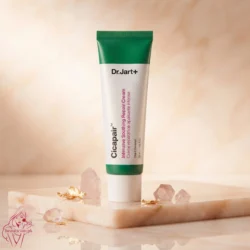
Centella asiatica (often called “cica”) is another cornerstone ingredient, prized for calming redness, soothing sensitive or acne-prone skin, and strengthening the skin barrier. It is one of the reasons Korean skincare has become so trusted for reactive or irritated skin types — you can see a full comparison in our best centella products for acne and redness roundup.
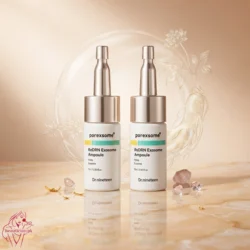
Rice water and rice extract, meanwhile, have been used in Korean beauty for centuries, valued for their brightening and antioxidant properties. And more recently, PDRN (polydeoxyribonucleotide) has emerged as one of the most talked-about anti-aging ingredients in K-beauty, known for supporting skin regeneration and improving firmness — you can read more in our breakdown of PDRN skincare and why it’s the next big trend.
🔬 Why Korean Skin Ages Slower
One of the most common questions people ask is why Korean skin seems to age so gracefully. Part of the answer lies in sun protection habits. In Korean skincare culture, sunscreen is treated as non-negotiable, applied daily regardless of weather or season, because UV exposure is the single biggest external cause of premature aging, dark spots, and loss of elasticity.
The other part comes down to early prevention rather than late correction. Many Korean skincare routines introduce gentle anti-aging ingredients like niacinamide, peptides, and light retinoids in their mid-to-late twenties — well before visible signs of aging appear — rather than waiting until wrinkles are already established. This “prevention over correction” mindset, paired with consistent hydration and barrier care, is a major reason skin ages more slowly over time. If sunscreen has never been a consistent habit for you, our guide on why wearing sunscreen daily matters, especially in Pakistan’s climate, is worth reading, and the Beauty of Joseon Relief Sun Rice + Probiotics SPF50 is one of the most loved lightweight sunscreens for daily wear.
🆚 Korean vs Western Skincare: What’s Actually Different
To understand why K-beauty gets so much attention, it helps to compare it directly with more traditional Western skincare philosophy. Below is a simple side-by-side look at the core differences.
Aspect
Korean Skincare
Western Skincare (Traditional)
Core Philosophy
Prevention, long-term skin health
Correction after visible damage
Routine Length
Multi-step, layered hydration
Often shorter, fewer steps
Texture Preference
Lightweight, essence-like layers
Richer, heavier creams
Sunscreen Habit
Daily, non-negotiable
Often occasional or seasonal
Key Ingredients
Snail mucin, centella, PDRN, rice ferment
Retinoids, AHAs, heavier actives upfront
Neither approach is objectively “better” in every situation — someone with very oily or thick skin might still need certain Western-style actives — but the Korean method’s emphasis on hydration-first, barrier-friendly layering is exactly why so many people with sensitive or reactive skin switch over and see fewer breakouts and less irritation.
🧑⚕️ What Dermatologists Actually Say
It is worth noting that dermatologists generally support several core K-beauty principles, even if they do not always agree with every trend. Gentle, pH-balanced cleansers, daily SPF, and gradual introduction of actives are all dermatologist-approved habits that happen to align closely with traditional Korean skincare philosophy. Our article on dermatologist-recommended Korean skincare ingredients goes deeper into which specific ingredients have real clinical backing versus which are more marketing hype.
That said, dermatologists do caution against over-layering too many actives at once, which is a common mistake beginners make when trying to copy the full 10-step routine immediately. Starting slow and letting your skin adjust — especially if you are dealing with acne or sensitivity — tends to give far better long-term results than jumping in with everything at once.
🛍️ How to Actually Start Your K-Beauty Journey
If everything above feels exciting but slightly overwhelming, the good news is that you do not need to buy ten products on day one. Start with a gentle cleanser, a hydrating toner or essence, a barrier-repairing moisturizer, and sunscreen. Once your skin adjusts and you understand its specific needs — whether that is oiliness, dryness, redness, or dark spots — you can slowly introduce targeted serums like niacinamide, centella, or snail mucin.
Buying from a trusted source matters just as much as picking the right ingredients, since counterfeit Korean skincare has unfortunately become common online. Our detailed guide on where to buy authentic Korean skincare in Pakistan explains exactly what to check before purchasing. You can also browse our full Korean skincare shop to explore trusted, authentic products across categories like cleansers, serums, and sunscreens.
🌸 Final Thoughts
At its core, the reason Korean skin looks so consistently healthy is not one single secret ingredient — it is a combination of disciplined daily habits, thoughtfully formulated ingredients, sun protection taken seriously, and a mindset that treats skincare as prevention rather than damage control. None of this is out of reach. It simply requires consistency and choosing products that actually suit your skin type rather than chasing trends blindly.
If you are ready to build your own version of this glow, start small, stay consistent, and let your skin lead the way.
Explore authentic, dermatologist-loved Korean skincare products at Beautician.pk and start your journey toward healthier, more radiant skin today.
❓ Frequently Asked Questions
What makes Korean skin glow naturally? A combination of consistent hydration, barrier-focused ingredients, daily sunscreen use, and a diet rich in fermented, antioxidant foods all contribute to that natural glow.
Why do Koreans have flawless-looking skin? It is largely due to prevention-focused skincare habits practiced consistently from a young age, rather than any single product or genetic trait alone.
What is glass skin and how do I achieve it? Glass skin refers to smooth, hydrated, poreless-looking skin achieved through deep hydration, gentle exfoliation, and consistent barrier care rather than heavy makeup coverage.
How does double cleansing help the skin? It removes oil-based impurities like sunscreen and sebum first, then water-based dirt and sweat second, leaving pores genuinely clean without over-stripping the skin.
Why do Koreans use sheet masks so often? Sheet masks deliver a concentrated burst of hydration and active ingredients quickly, making them a popular occasional treatment rather than a daily necessity.