Korean Skincare Routine for Sensitive Skin Pakistan: The Gentle K-Beauty Guide
If your skin turns red at the mildest trigger, stings after cleansing, or feels tight and itchy in Pakistan’s dusty, humid weather, you’re not alone — and building a Korean skincare routine for sensitive skin Pakistan is one of the smartest ways to finally calm things down. Korean skincare has earned its global reputation not because it’s flashy, but because it’s built on hydration, gentle formulations, and ingredients that respect the skin barrier instead of stripping it. For Pakistani skin dealing with heat, pollution, and hard water, this approach works especially well because it prioritizes repair over aggressive treatment.
This guide breaks down exactly how sensitive skin behaves, why most irritation actually starts with a damaged barrier, and how to build a soothing, minimalist K-beauty routine using products that are genuinely available and affordable here. We’ll also cover product recommendations, a simple AM/PM structure, and answers to the questions Pakistani skincare beginners ask most often.
🌿 Understanding Sensitive Skin Before You Start
Before jumping into products, it helps to know what “sensitive” actually means, because half the battle is picking the right products instead of layering on more of everything.
Sensitive skin typically reacts faster and more intensely to environmental stress, active ingredients, and even weather changes than normal skin does. In Pakistan, this is made worse by dust, chlorinated tap water, sudden temperature shifts between air-conditioned indoors and scorching outdoors, and — frankly — a market flooded with harsh whitening creams and steroid-based products that quietly damage the skin barrier over time.
Common signs of sensitive skin include persistent redness on the cheeks or nose, a burning or stinging sensation after applying almost any product, visible dryness or flaking despite moisturizing, and skin that reacts to sun exposure faster than it should. If several of these sound familiar, your skin is likely dealing with some degree of skin barrier damage repair that needs to happen before any brightening or anti-aging step even matters.
Understanding skin irritation and redness causes is equally important. It’s rarely just one product — it’s usually a combination of over-cleansing, using too many actives at once, skipping sunscreen, and reacting to fragrance or alcohol in daily products. This is precisely why Korean skincare’s step-by-step, ingredient-conscious philosophy tends to work so well for reactive skin types.
🧪 The Core Principles of Gentle Korean Skincare in Pakistan
A truly gentle Korean skincare Pakistan routine isn’t about buying ten products — it’s about choosing formulas that actively calm inflammation while restoring the skin’s natural defense system. Three ingredients dominate this category for good reason: Centella asiatica, heartleaf (also called houttuynia cordata), and panthenol.
Why Centella, Heartleaf, and Panthenol Matter
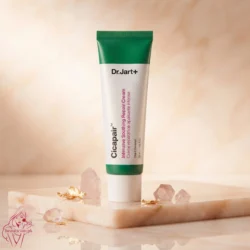
Centella asiatica skincare has been used in Korean dermatology for decades because it reduces redness, supports collagen, and calms inflamed skin without any harsh sensation. A cica cream for sensitive skin built around this ingredient is often the single most transformative addition to a reactive skin routine. Alongside it, heartleaf skincare benefits include antibacterial and anti-inflammatory properties that make it ideal for skin prone to both redness and breakouts — which is why Anua’s entire product philosophy centers around it. If you want to explore this brand’s full lineup built specifically for calming skin, Anua’s heartleaf-focused Korean skincare range is worth understanding in depth.
Panthenol skincare benefits round out the trio — this pro-vitamin B5 derivative strengthens the skin barrier, locks in moisture, and speeds up healing, making it a staple in nearly every barrier repair skincare Korean formula on the market.
Ingredients to Avoid vs. Ingredients to Embrace
Not every “natural” or “brightening” ingredient is safe for reactive skin. Ingredients to avoid sensitive skin generally include high concentrations of alcohol denat, added synthetic fragrance, essential oils, and strong exfoliating acids used without buildup. On the flip side, look for fragrance-free Korean skincare, hypoallergenic Korean skincare formulations, and a low pH cleanser sensitive skin — anything between pH 5 and 6 keeps the skin’s acid mantle intact instead of stripping it raw.
A calming toner Korean brand worth mentioning here is Klairs, whose unscented preparation toner has become a cult favorite precisely because it skips fragrance entirely while still delivering hydration.
✨ Step-by-Step Korean Skincare Routine for Sensitive Skin Pakistan
Once you understand the ingredient logic, building the actual Korean skincare steps for sensitive skin becomes far less overwhelming. The goal isn’t a ten-step routine — it’s a minimalist skincare routine with five to six purposeful steps, done consistently.
Understanding the difference between a morning vs night skincare routine matters too. Mornings are about protection; nights are about repair. Below is a simple breakdown of the best order of skincare products for sensitive skin, both AM and PM.
Step
Morning Routine
Night Routine
1
Gentle low pH cleanser or micellar water
Oil-based cleanser (double cleanse)
2
Low pH gel/foam cleanser
Low pH gel/foam cleanser
3
Soothing, alcohol-free toner
Calming toner
4
Centella or panthenol serum
Barrier-repair serum or ampoule
5
Lightweight moisturizer
Richer cica cream or sleeping mask
6
Broad-spectrum sunscreen (non-negotiable)
—
Notice that the nighttime routine starts with an oil cleanser first. This gentle double cleansing method is a genuinely Korean approach — removing sunscreen, sweat, and pollution buildup with oil before following up with a low pH cleanser prevents over-scrubbing, which is often the real culprit behind irritation in the first place.
For sensitive skin specifically, patting rather than rubbing matters at the toner stage. If you’re unsure whether you’re applying it correctly, this guide on how to use a toner correctly clears up a mistake almost everyone makes early on.
🛍️ Best Korean Skincare Products for Sensitive Skin Available in Pakistan
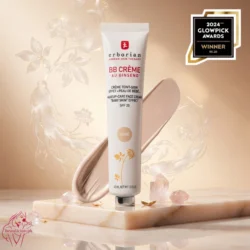
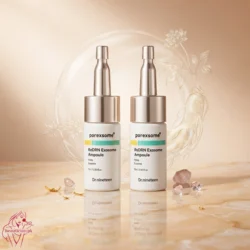
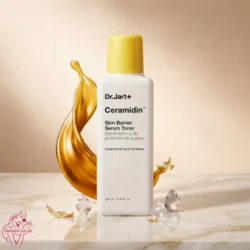
The good news is that most of the gentle, cica-forward Korean brands are now genuinely accessible in Pakistan, so you don’t need to import anything or rely on unreliable resellers. Here’s a practical shortlist organized by routine step, focused entirely on Korean skincare products for sensitive skin with clean, soothing formulations.
The climate effect on sensitive skin in Pakistan is more significant than most people realize. Intense summer heat combined with humidity in cities like Karachi and Lahore increases sweat and oil production, which can clog pores and trigger breakouts even on dry, sensitive skin. Meanwhile, dry winter air in Islamabad or northern regions strips moisture rapidly, leaving skin flaky and more reactive to everything from soap to sunscreen.
This is why a rigid, one-size-fits-all routine rarely works long-term. Sensitive skin needs seasonal flexibility — lighter gel-based moisturizers and oil-control cleansers in summer, richer barrier creams in winter. If your skin tends to feel dehydrated rather than simply reactive, this oily and dehydrated skin guide explains how to balance both concerns without overloading your skin with products.
Dust and pollution exposure also means cleansing at night is non-negotiable, even on days you didn’t wear makeup. Skipping this step allows particulate buildup to sit on the skin overnight, quietly worsening inflammation over weeks.
🔍 Patch Testing, Purging, and Avoiding Common Mistakes
One of the most overlooked steps in any soothing Korean skincare routine is the patch test before using new product — applying a small amount behind the ear or on the inner arm for two to three days before introducing it to your face. Sensitive skin can react to something as seemingly harmless as a new sunscreen, so this five-minute habit prevents days of unnecessary redness.
Equally important is learning to tell skin purging vs breakout apart. Purging typically happens with actives like retinol or exfoliating acids and clears up within two to four weeks as it speeds up cell turnover in areas you were already prone to breaking out. A true reaction, on the other hand, shows up as itching, burning, or spreading redness in new areas — and it usually means the product needs to be dropped immediately rather than pushed through. If you’re currently unsure which one you’re experiencing, this detailed explanation of skin purging versus breakouts walks through the exact signs to watch for.
🩺 Building a Routine the Dermatologist-Approved Way
Knowing how to build a skincare routine that actually sticks comes down to introducing one new product at a time, waiting at least a week before adding the next, and never combining multiple active ingredients (like retinol and vitamin C) in the same session unless your skin has already proven tolerant.
Following dermatologist recommended skincare logic, sensitive skin benefits most from consistency over variety — the same gentle cleanser, the same calming toner, day after day, rather than constantly switching brands chasing trends. For a deeper look at which ingredients dermatologists specifically flag as safe or risky for reactive skin, this guide on dermatologist-recommended Korean skincare ingredients is genuinely worth bookmarking.
And if all of this still feels like a lot to absorb at once, keep it simple with a 5 step skincare routine simple approach: cleanse, tone, treat, moisturize, protect. Everything else — masks, essences, ampoules — can be added gradually once your barrier is stable. Complete beginners can also start with this dedicated Korean skincare routine for beginners before layering in more targeted, sensitivity-focused steps.
💬 Final Thoughts
Sensitive skin doesn’t need aggressive treatment — it needs patience, consistency, and formulas that work with your skin barrier instead of against it. A well-structured Korean skincare routine for sensitive skin Pakistan built around centella, heartleaf, and panthenol can genuinely transform reactive, easily irritated skin into something calm and resilient, even in Pakistan’s challenging climate.
Start small, patch test everything new, and give each product a fair few weeks before judging results. Your skin’s barrier took time to weaken — give it the same patience while it heals.
Q1: What is the best Korean skincare routine for sensitive skin in Pakistan? A minimalist five-step routine — gentle cleanser, alcohol-free toner, centella or panthenol serum, lightweight moisturizer, and sunscreen — works best. Focus on fragrance-free, low pH formulas before adding any actives.
Q2: How do I know if my skin is sensitive or just reacting to one product? Sensitive skin reacts consistently across multiple products, showing redness, stinging, or dryness even with gentle formulas. If irritation only happens with one specific item, it’s likely a single-product reaction rather than true sensitivity.
Q3: Is Centella asiatica safe for all skin types, including sensitive skin? Yes, centella asiatica is one of the safest calming ingredients available and is specifically recommended for redness-prone and reactive skin due to its anti-inflammatory properties.
Q4: How long should I patch test a new Korean skincare product? Two to three days on the inner arm or behind the ear is usually enough to catch most reactions before applying the product to your face.
Q5: Can sensitive skin use Korean sunscreens safely? Yes, many Korean sunscreens are formulated to be lightweight and non-irritating. It’s best to choose fragrance-free, mineral or hybrid formulas designed for sensitive skin.
Q6: What’s the difference between skin purging and a breakout? Purging happens with active ingredients like retinol and clears within a few weeks in areas you already broke out. A true breakout or reaction spreads to new areas and comes with itching or burning.