Korean Skincare Hacks That Actually Work: 12 K-Beauty Tips for Glowing Skin
Scroll through social media and you will find hundreds of Korean skincare hacks. Some are brilliant. Others are expensive, confusing, or just plain wrong for your skin. So which Korean skincare tips are worth your time? This guide separates the real K-beauty hacks that work from the hype, and it fits them into a Korean skincare routine you can follow in Pakistan’s heat, dust, and humidity.
You do not need ten steps, fifteen products, or a huge budget. You need the right habits in the right order. Let’s unpack them one by one.
🌿 Why Korean Skincare Works (and Why Hacks Fail)
Korean skincare is built on one idea: healthy skin first, makeup second. Instead of attacking problems with harsh products, K-beauty focuses on hydration, gentle cleansing, and a strong skin barrier. When your barrier is healthy, your skin holds water better, breaks out less, and reflects light evenly. That is where the famous glass skin look comes from.
Most hacks fail for a simple reason. People copy the products but ignore the principles. They pile on actives, skip sunscreen, or scrub every night. A hack only works when it supports your skin type and your barrier. If you are new to the whole concept, our complete guide to K-beauty for Pakistani beginners explains the philosophy in more depth.
Do Korean skincare hacks really work? Yes, when they are simple, consistent, and matched to your skin. Sheet masks will not fix a damaged barrier on their own. Daily sunscreen, gentle cleansing, and steady hydration will.
✨ 12 Korean Skincare Hacks That Actually Work
1. Double Cleanse in the Evening Only
Double cleansing is the most proven of all Korean skincare tips. You start with an oil cleanser to dissolve sunscreen, sebum, and makeup. Then you follow with a water-based cleanser to wash away sweat and leftover residue. Oil attracts oil, so this works far better than one harsh face wash.
Here is a practical example. After a day outside in Lahore or Karachi, your face holds sunscreen, pollution, and sweat. A single foaming cleanser often leaves a film behind, which can clog pores. An oil cleanser such as the Anua Heartleaf Pore Control Cleansing Oil melts it all away in about a minute. Our step-by-step guide on how to double cleanse the Korean way covers massage time and rinsing. You can also browse Korean cleansing oils in Pakistan to find your match. Do this at night only. In the morning, a splash of water or a gentle cleanser is enough.
2. Choose a Low-pH, Gentle Water-Based Cleanser
Healthy skin sits at a slightly acidic pH of roughly 4.5 to 5.5. Many soaps and foaming washes push this higher, which leaves skin tight and dry. A low-pH gel cleanser cleans without that squeaky feeling. The COSRX Low pH Good Morning Gel Cleanser is a popular example, and you can compare more options in our cleansers collection.
A simple test: if your face feels tight right after washing, your cleanser is too strong. Swap it before you change anything else.
3. Pat Your Toner In, Never Wipe It Off
In Korea, a toner is not a harsh astringent. It is a hydrating toner that preps skin to absorb what comes next. The hack is to pour a little into clean palms and press it into your face with gentle patting. Pressing pushes water into the skin, while wiping with a cotton pad can irritate it and waste product.
The skincare layering order is simple: lightest texture first, richest texture last. Toner goes on first, then essence, then serum or ampoule, then moisturizer, and finally sunscreen in the morning. Thin products absorb easily. Thick ones sit on top and seal everything in.
Here is a sample evening layering order:
Oil cleanser, then water-based cleanser
Hydrating toner
Essence or ampoule
Moisturizer
Sleeping mask (a few nights a week)
Wait about 30 to 60 seconds between layers. You do not need a stopwatch. Your skin just needs to feel slightly damp, not sticky.
5. Use Essence for Daily Hydration Boost
An essence is the heart of many K-beauty routines. It is lighter than a serum and focuses on skin hydration and texture. A snail mucin essence is a classic pick because it soothes, hydrates, and gives that dewy glow. The COSRX Advanced Snail 96 Mucin Power Essence is one of the best-known examples, and our snail mucin buying guide helps you choose the right product.
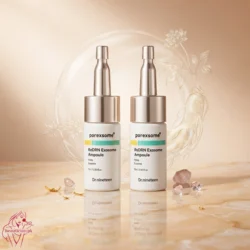
6. Treat One Concern at a Time With an Ampoule
An ampoule is a concentrated treatment. The hack is restraint: pick one concern and one active at a time. Calming redness? Try centella. Uneven tone or open pores? Niacinamide is a strong choice. You can learn more in our guide on niacinamide benefits for Pakistani skin.
7. Never Skip Sunscreen (The Real Anti-Aging Hack)
If you do only one thing from this list, make it this one. Sunscreen is the most effective way to prevent early aging, dark spots, and dullness. Korean sunscreens are loved because they feel light, wear well under makeup, and leave no white cast.
Dull skin often comes from a buildup of dead cells. But scrubbing hard does more harm than good. Korean routines favor gentle exfoliation with mild acids (AHA, BHA, or PHA) or enzyme powders, used once or twice a week. This smooths skin texture without stripping the barrier.
A practical rule: if your skin stings, looks shiny and tight, or turns red, you have gone too far. Skip exfoliation for a week and focus on moisture. Oily and acne-prone skin may tolerate BHA a little more often, but always start slowly.
9. Strengthen the Skin Barrier With Ceramides
A damaged barrier shows up as dryness, redness, stinging, and sudden breakouts. The fix is not more actives. It is skin barrier repair: ceramides, panthenol, and soothing ingredients. A cream like the COSRX Balancium Comfort Ceramide Cream or the Dr. Althea 147 Barrier Cream helps lock in water and calm irritation. Explore more in the moisturizers collection.
10. Try Slugging, but Only When It Suits Your Skin
Slugging means sealing your routine with a thin occlusive layer, such as a balm or rich cream, at night. It can rescue very dry or winter-flaked skin overnight. But on oily or acne-prone skin, a heavy layer can trap sebum and trigger breakouts.
The smart version is spot slugging. Use it only on dry patches such as cheeks, around the nose, or lips. Skip it if your skin is congested.
11. Use Sleeping Masks and Sheet Masks Smartly
Masks are a treat, not a replacement for your routine. A sleeping mask such as the Laneige Water Sleeping Mask adds an overnight layer of moisture, and sheet masks give a quick hydration boost before events. Use them two or three times a week. Wear a sheet mask for 15 to 20 minutes, not longer, because once it dries it can pull moisture back out of your skin. Browse the mask collection to find one for your needs.
12. Add a Two-Minute Face Massage (Gua Sha)
A gentle face massage with your hands or a gua sha tool improves circulation and helps product absorb. It can also reduce morning puffiness. Use a little essence or moisturizer for slip, and glide upward and outward with light pressure. It will not change your bone structure, but it feels wonderful and can make your skin look fresher.
🧴 Which Hacks Suit Your Skin Type?
Not every hack suits every face. This quick table helps you pick the right focus for your skin type and avoid common mistakes.
Skin Type
Best Hacks to Focus On
What to Go Easy On
Oily / Acne-Prone
Double cleansing, BHA once or twice weekly, niacinamide, gel moisturizer, lightweight sunscreen
You do not need the full 10-step skincare routine. Is it necessary? No. It was never meant to be a rulebook. It is a menu, and you pick what your skin needs. The most important Korean skincare steps are cleansing, moisturizing, and sunscreen. Everything else is a bonus.
Morning Routine (3 to 4 Steps)
Start with a gentle cleanser or a simple rinse. Pat on a hydrating toner, apply a serum or ampoule if you use one, then follow with a light moisturizer. Finish with sunscreen, always. If you want a skin-type-specific version, we have a morning routine for oily skin and a morning routine for dry skin.
Evening Routine (4 to 5 Steps)
Begin with an oil cleanser, then a water-based cleanser. Pat on toner, use an essence or treatment, and seal everything in with a moisturizer. On two or three nights a week, add exfoliation or a sleeping mask, but never both on the same night.
Glass skin is not a filter. It is the result of well-hydrated, smooth, evenly toned skin that reflects light. You cannot force it in a week, but you can build toward it.
Think of glass skin as five habits working together: thorough but gentle cleansing, layered hydration, steady barrier care, daily sun protection, and enough sleep and water. When skin is hydrated and the surface is smooth, you get that dewy, glowing finish. Heavy makeup or over-exfoliation works against it. Add a rice water toner or a hyaluronic acid layer for extra bounce, and keep your hands off your face.
Be patient, because skin renews itself roughly every 28 days or longer, depending on age. Here is a realistic timeline for most people.
Timeframe
What You May Notice
1 to 2 weeks
Better hydration, softer feel, less tightness
4 weeks
Smoother skin texture, calmer redness, early glow
8 to 12 weeks
More even tone, fewer breakouts, visible clarity
3 to 6 months
Fading dark spots, stronger barrier, firmer look
Individual results vary. Pigmentation and acne scars take the longest, so give each new product at least four weeks before judging it. If you notice a breakout after starting something new, it may be irritation or purging. Our guide on why your skin purges with Korean skincare helps you tell the difference.
⚖️ Korean Skincare vs. Western Skincare
The two approaches overlap more than people think. Western skincare often targets a problem with a strong active, such as retinol for wrinkles or benzoyl peroxide for acne. Korean skincare tends to prevent problems through hydration, protection, and gentle layering.
Neither is “better.” The best results often come from blending them: a Korean-style hydrating base with one well-chosen active. If you are weighing brands, our comparison of COSRX vs. The Ordinary shows how that works in practice.
🛡️ Mistakes That Ruin Your Results
Even the best K-beauty hacks that work fail when habits get in the way. Watch out for these common errors:
Using too many new products at once
Skipping sunscreen on cloudy or indoor days
Over-exfoliating in pursuit of “glow”
Ignoring patch tests
Buying fake or expired products from unreliable sellers
Safety note: This article is for general education. If you have persistent acne, eczema, severe sensitivity, or pigmentation, see a qualified dermatologist before adding new actives.
❓ Frequently Asked Questions
Do Korean skincare hacks really work?
Yes, when they are simple and matched to your skin. Hacks like double cleansing, hydrating toners, barrier repair, and daily sunscreen have strong logic behind them. Quick fixes and extreme tricks rarely deliver lasting results.
What is the Korean skincare routine?
It is a layered routine that focuses on gentle cleansing, hydration, and sun protection. A typical version includes an oil cleanser, a water-based cleanser, toner, essence, serum, moisturizer, and sunscreen. You can shorten it to three or four steps and still get excellent results.
How to get glass skin naturally?
Combine gentle double cleansing, layered hydration, a ceramide moisturizer, weekly gentle exfoliation, and daily sunscreen. Add good sleep and plenty of water. Glass skin builds gradually and cannot be rushed.
Which Korean skincare steps are most important?
Cleansing, moisturizing, and sunscreen matter most. Toner, essence, and ampoules are helpful extras, but they cannot replace those three basics.
Is the 10-step Korean skincare routine necessary?
No. It is a flexible framework, not a requirement. Most people do well with four to six steps, and beginners can start with just three.
How to start Korean skincare for beginners?
Start with a gentle cleanser, a simple moisturizer, and sunscreen. Add one new product every two weeks so you can see how your skin reacts. Patch test everything first.
What are the best Korean skincare ingredients?
Popular choices include hyaluronic acid for hydration, niacinamide for tone and pores, centella asiatica (cica) for calming, snail mucin for repair, and ceramides for barrier support. Rice water and fermented ingredients are also widely loved.
How long do Korean skincare results take?
Hydration improvements show up in one to two weeks. Texture and clarity usually need four to twelve weeks. Dark spots and scars can take three to six months.
💡 Final Thoughts: Build Habits, Not Hype
The most powerful Korean skincare hacks are not secrets. They are consistent habits: cleanse gently, hydrate in layers, protect your barrier, and wear sunscreen every single day. Start small, be patient, and let your skin set the pace. Real glow comes from healthy skin, not from a longer shopping list.