Korean Skincare for Post-Inflammatory Hyperpigmentation: The Complete Guide to Fading Dark Marks
Every pimple, scratch or irritation can leave a souvenir behind, and that flat brown or pink mark can outlast the breakout by months. Korean skincare for post-inflammatory hyperpigmentation (PIH) is one of the most practical, gentle and science-backed ways to fade those marks without wrecking your skin barrier. K-beauty doesn’t chase quick, harsh fixes. It layers lightweight, targeted ingredients, protects the skin from the sun, and gives the skin time to renew itself. This guide explains what PIH is, which ingredients work, and how to build a Korean skincare routine for dark spots that suits real-life skin.
🔍 What Is Post-Inflammatory Hyperpigmentation?
Post-inflammatory hyperpigmentation is a patch of darker skin that appears after inflammation or injury. Acne, eczema, insect bites, waxing burns, aggressive scrubbing and even over-exfoliating can all trigger it. When skin becomes inflamed, it sends signals that wake up melanocytes, the cells that make pigment. These cells then overproduce melanin, and the extra pigment settles in the area that was irritated.
🧬 Why PIH Hits Some Skin Tones Harder
Anyone can develop PIH, but it is more frequent and more stubborn in medium to deep skin tones (Fitzpatrick types III to VI). Melanocytes in richer skin tones are naturally more reactive. That is why a gentle approach matters so much for Korean skincare for dark skin and brown skin. Aggressive treatments can cause more inflammation, and more inflammation means more pigment. If this sounds like your skin, our guide to Korean skincare for melanin-rich skin in Pakistan goes deeper on tone-safe choices.
🎯 PIH vs PIE: Know What You’re Treating
Before buying anything, check what kind of mark you actually have. Many people call every red or brown mark “dark spots,” but the treatment differs.
Feature
PIH (Post-Inflammatory Hyperpigmentation)
PIE (Post-Inflammatory Erythema)
Colour
Tan, brown or dark brown
Pink, red or purple
Cause
Excess melanin after inflammation
Damaged or dilated capillaries
Common in
Medium to deep skin tones
Fair to light skin tones
Blanching test
Colour stays when pressed
Colour fades briefly when pressed
Best allies
Niacinamide, TXA, arbutin, vitamin C, SPF
Centella, azelaic acid, soothing ingredients, SPF
The press test is simple. Gently press a clean finger on the mark. If it turns pale and then flushes back, it is likely PIE. If nothing changes, it is likely PIH. Many people have a mix of both, and the routine below covers both.
🌿 How K-Beauty Approaches PIH
K-beauty treats hyperpigmentation as a barrier and inflammation problem first and a pigment problem second. A damaged barrier is a reactive barrier, and a reactive barrier keeps producing new marks. So instead of stripping the skin, a Korean approach calms, hydrates and brightens in gentle layers.
This philosophy rests on three pillars. The first is calming inflammation so no new marks form. The second is interrupting excess pigment production with targeted brighteners. The third, and the one people skip most often, is daily sun protection. Without it, UV rays keep re-darkening marks, and no serum can win that fight.
Not every brightening ingredient is equal, and not every one suits every skin. Here are the Korean skincare ingredients for PIH that have the strongest track record, along with how they behave in real routines.
✨ Niacinamide: The Everyday Workhorse
Niacinamide for post-acne marks is a favourite for a reason. It slows the transfer of pigment from melanocytes to surrounding skin cells, strengthens the barrier and calms oil and redness. It is also well tolerated by most skin types. Start with 5% if your skin is sensitive and move up to 10% as it adapts. Our explainer on niacinamide benefits for Pakistani skin breaks down concentrations, and the roundup of best niacinamide products for dark spots helps you choose.
Vitamin C (ascorbic acid and its gentler derivatives) brightens skin and helps neutralise UV-related damage. Because it can sting on freshly irritated skin, derivative forms are friendlier for acne-prone users. If you are unsure whether to layer it with niacinamide, read niacinamide vs vitamin C: which goes first. For a K-beauty dark spot option with a vitamin and glutathione base, the Abib Glutathiosome Dark Spot Serum Vita Drop is worth a look.
🌱 Centella Asiatica (Cica) and Soothing Botanicals
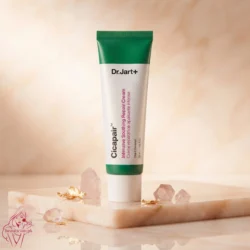
Centella is the calming backbone of K-beauty. It supports barrier repair and helps quiet the inflammation that creates new marks. Pair it with mugwort, propolis or green tea for added comfort. If you want ideas, our guide to the best centella products for acne and redness lists tested picks, and the SKIN1004 Centella Ampoule for dark spots guide shows how one hero product can fit into a PIH routine.
🔄 Gentle Exfoliation: PHA, AHA and BHA
Exfoliation speeds skin renewal and cell turnover, helping pigmented cells shed faster. The key word is gentle. PHA is the mildest, lactic or mandelic AHA is moderate, and BHA suits oily, congested skin. Limit acids to two or three nights a week and never combine them with retinol on the same night when your skin is already inflamed.
🔬 Retinol: Effective, but Use With Care
Retinol accelerates turnover and can fade marks over time, but it can also irritate, which risks making PIH worse. Begin with a low strength, use it twice weekly, buffer it with moisturiser and always wear sunscreen the next day.
📋 Quick Ingredient Guide
Ingredient
Main Job
Best For
Caution
Niacinamide
Reduces pigment transfer, supports barrier
Almost all skin types
Start low if sensitive
Tranexamic acid
Calms pigment signalling
Stubborn, long-lasting PIH
Pair with SPF
Alpha-arbutin
Tyrosinase inhibitor
Sensitive skin, acid-intolerant
Needs consistency
Vitamin C
Antioxidant, brightening
Dull, uneven tone
Can sting on irritated skin
Azelaic acid
Fades marks, eases redness
PIH plus PIE, acne-prone
Mild tingling at first
Centella (Cica)
Soothes, repairs barrier
Reactive, breakout-prone skin
Supportive, not a standalone fader
AHA/BHA/PHA
Speeds cell turnover
Rough, congested texture
Overuse worsens PIH
In short, build around one or two actives rather than stacking everything. Your skin will thank you.
🌅 Your Korean Skincare Routine for Dark Spots
A good K-beauty routine for uneven skin tone is simple, consistent and kind. You do not need ten steps. You need the right five or six, done daily. Here is a practical framework you can adapt.
At night, remove sunscreen and impurities properly. The Korean double cleansing method uses an oil or balm first, then a gentle foam or gel. If you are new to it, our guides on how to double cleanse the Korean way and the oil cleansing method walk through each step.
After cleansing, apply toner, then a targeted treatment. Alternate your actives instead of layering all of them. For example, use azelaic acid or TXA on some nights and a gentle exfoliant or low-dose retinol on others, a rhythm often called skin cycling. Add a calming essence, ampoule or sheet mask on recovery nights, then close with moisturiser. A SKIN1004 Dark Spot Ampoule Pad can double as a gentle brightening step on lighter evenings.
🎯 Spot Treatment for Active Breakouts
Preventing new marks matters as much as fading old ones. When a pimple appears, protect it instead of picking at it. A hydrocolloid patch like the COSRX Acne Pimple Master Patch keeps hands off and reduces the inflammation that leads to PIH. If a breakout is stubborn, our Korean skincare routine for oily, acne-prone skin shows how to manage it without over-drying.
🧪 Always Patch Test
Whenever you add a new active, do a patch test behind the ear or along the jaw for 48 hours. Introduce one product at a time, one week apart, so you know exactly what suits you. If your skin flares after starting K-beauty, you may be purging or reacting, and this purging explainer helps you tell the difference.
🛡️ Sunscreen: The Step That Makes Everything Else Work
If you remember only one thing from this article, let it be this: sunscreen is non-negotiable for PIH. UV exposure stimulates melanocytes, which can darken existing marks and undo weeks of progress. Visible light, especially relevant for deeper skin tones, can also deepen pigmentation. This is why the best Korean sunscreen for dark spots is the one you will actually wear every day.
Deeper skin tones need two things: barrier-first formulas and patience. Choose gentle brighteners such as niacinamide, alpha-arbutin, azelaic acid and TXA over strong peels. Introduce retinol and acids slowly. Avoid DIY remedies like lemon juice and baking soda, which can burn the skin and cause even darker marks.
💧 Korean Skincare for Sensitive, Acne-Prone Skin
When skin is both breakout-prone and reactive, minimalism wins. Pick fragrance-free, centella-rich or panthenol-rich products, keep actives to one at a time, and prioritise moisturiser. A calm barrier produces fewer new blemishes, and fewer new blemishes mean fewer marks to treat later.
Even a great routine can be sabotaged by a few habits. The most common ones are:
Picking or squeezing pimples, which deepens inflammation
Skipping sunscreen on cloudy days or indoors near windows
Over-exfoliating with scrubs, brushes and strong acids together
Switching products every week instead of giving each four to eight weeks
Beyond these, impatience is the biggest enemy. PIH is a slow-healing concern, and the skin needs time to shed pigmented cells and rebuild. Consistency beats intensity every time.
⏳ How Long Does PIH Take to Fade?
Timelines vary by depth and skin tone. Epidermal PIH, where pigment sits in the upper layer and looks tan to light brown, often improves within three to twelve months with a consistent routine. Dermal pigmentation, where pigment sits deeper and looks grey-brown or blue-grey, can take much longer and may need professional treatment. A mix of the two is common.
You will usually notice early changes in texture and glow within four to six weeks, while visible fading of marks takes closer to eight to twelve weeks. Take a clear photo in the same lighting each month to track progress honestly. For a Pakistan-specific perspective, see how to get rid of dark spots with Korean solutions.
🩺 When to See a Dermatologist
Skincare can do a lot, but it has limits. Please consult a board-certified dermatologist if marks are spreading, if they have not improved after three to four months of consistent care, if the pigment looks grey or blue, or if you suspect melasma instead of PIH. Melasma is hormonally influenced and behaves differently, so it needs tailored guidance. This article is for educational purposes and does not replace personalised medical advice.
✅ Final Thoughts: Patience, Protection and Gentle Consistency
Korean skincare for post-inflammatory hyperpigmentation works because it respects your skin. It calms inflammation, brightens with proven ingredients such as niacinamide, tranexamic acid, arbutin and azelaic acid, and protects every day with sunscreen. Build your routine slowly, introduce one active at a time, and treat your skin like it is healing, because it is.
Start today with three simple moves: choose a gentle cleanser, add one brightening serum, and wear SPF 50+ PA++++ every morning. Explore our dark spot and pigmentation collection to find authentic Korean products matched to your skin, and take the first step toward a clearer, more even complexion.
❓ Frequently Asked Questions
What is post-inflammatory hyperpigmentation?
Post-inflammatory hyperpigmentation (PIH) is a flat area of darker skin that develops after inflammation or injury such as acne, eczema, burns or cuts. Inflammation stimulates melanocytes to produce extra melanin, leaving a tan, brown or dark brown mark.
Which Korean skincare products help fade PIH?
Look for Korean serums and creams with niacinamide, tranexamic acid, alpha-arbutin, azelaic acid, vitamin C and centella. Pair them with a gentle cleanser, barrier-repairing moisturiser and SPF 50+ PA++++ sunscreen for best results.
How long does PIH take to fade?
Superficial PIH often fades in three to twelve months with consistent care and daily sunscreen. Deeper, dermal pigmentation can take longer and may need professional treatment.
Can niacinamide remove acne dark spots?
Niacinamide helps fade acne dark spots by reducing pigment transfer and supporting the skin barrier. Results are gradual and usually appear after eight to twelve weeks of regular use, especially when combined with sunscreen.
Is Korean sunscreen good for hyperpigmentation?
Yes. Korean sunscreens are lightweight, cosmetically elegant and easy to wear daily. Choose SPF 50+ PA++++ and reapply every two to three hours outdoors, since UV exposure darkens existing marks.
What is the difference between PIH and PIE?
PIH is brown or dark pigmentation caused by excess melanin, while PIE (post-inflammatory erythema) is pink, red or purple discolouration caused by damaged capillaries. PIH stays the same colour when pressed, whereas PIE briefly blanches.
Can Korean skincare work on dark skin tones?
Yes, when it is gentle and consistent. Brown and dark skin respond well to niacinamide, alpha-arbutin, azelaic acid and TXA, as long as strong peels and irritating treatments are avoided.
What ingredients should I avoid with PIH?
Avoid harsh scrubs, high-strength acids used too often, fragrance-heavy products and DIY remedies like lemon juice. Irritation causes more inflammation, which can create even more pigmentation.